World Cup Drone Defense Puts Federal Law Enforcement in the Spotlight
Drone Defense
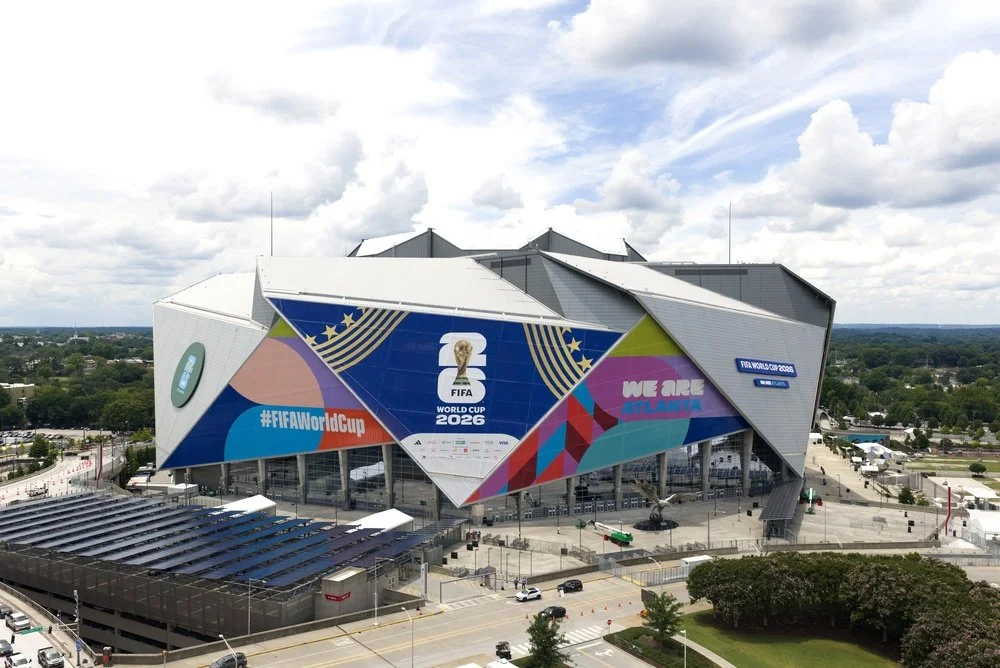
While the 2026 FIFA World Cup brought millions of fans together across North America, it also brought on a major security challenge for federal law enforcement. Unauthorized drones operating near stadiums and large crowds required federal, state, and local agencies to coordinate new counter-unmanned aircraft systems (C-UAS) operations.
In Kansas City, law enforcement detected 22 drones in designated no-fly zones during the early part of the tournament. Authorities seized 16 drones and issued at least five federal criminal citations. Kansas City police worked alongside the Federal Bureau of Investigation (FBI) and other agencies, using technology that could detect drones entering restricted airspace and, when authorized, disrupt their operation.
The effort extended well beyond Kansas City. The U.S. Coast Guard deployed C-UAS capabilities around World Cup events in Boston and San Francisco, while the Federal Bureau of Investigation (FBI) and the Department of Homeland Security (DHS) supported security operations in other host cities.
For federal law enforcement officers responsible for protecting these high-profile events, new technology can provide another layer of security. But greater capability can also bring greater responsibility, heightened scrutiny, and increased public interest. When decisions must be made quickly in a crowded and highly visible environment, allegations can follow even if an officer believes they acted appropriately. A professional liability insurance (PLI) policy from FEDS Protection can help federal law enforcement officers protect themselves when that happens.
Complex Counter-Drone Authority
Stopping an unauthorized drone is not necessarily as simple as detecting it and knocking it out of the sky. Federal law generally restricts activities such as interfering with communications, accessing computer systems, and damaging aircraft. The Preventing Emerging Threats Act of 2018 gave the Department of Justice (DOJ) and DHS specific authority to conduct certain C-UAS activities that could otherwise implicate federal law enforcement officers when responding to a credible drone threat against a qualifying facility or asset.
This authority comes with rules and safeguards. DOJ guidance requires authorized counter-drone activities to follow the applicable statutory framework, Attorney General guidance, and component-level policies. The framework also addresses privacy and civil liberties, training, coordination with other agencies, and coordination with the Federal Aviation Administration (FAA) when counter-drone measures could affect aviation or the national airspace. The result is an operating environment in which officers may need to assess a potential threat while also remaining within the limits of their agency's authority and procedures.
High Stakes, High Visibility
These operations can involve multiple agencies, different technologies, and split-second decisions in front of thousands of spectators. Federal officers must follow applicable law, agency policy, and operational procedures while determining whether an aircraft presents a legitimate threat.
Even when officers act appropriately and within the scope of their duties, major operations can generate complaints, investigations, or allegations after the fact. Decisions made in fast-moving situations may be reviewed long after the event has ended and with the benefit of hindsight.
FEDS PLI for Federal Law Enforcement Officers
FEDS Protection offers professional liability insurance (PLI) designed specifically for federal law enforcement personnel, including:
- $1 million, $2 million, or $3 million per incident in civil liability coverage for attorney’s fees and indemnity costs,
- $200,000 per incident for legal representation in administrative and disciplinary matters, and
- $100,000 per incident for criminal defense costs.
Annual premiums start at $290, and many eligible federal law enforcement officers may receive agency reimbursement of up to 50% of their premium, subject to agency policy.
To learn more, visit www.fedsprotection.com or call (866) 955-FEDS, Monday–Friday, 8:30 a.m.–6 p.m. ET.
This article is provided for informational purposes only and does not constitute legal advice. Coverage is subject to policy terms, conditions, limitations, and exclusions.