


Case Law Update

Case Law Update Library








Armed with the account identifiers, the Federal Bureau of Investigation (FBI) sought search warrants requiring Facebook to disclose various records and voluntarily disclosed information.

Armed with the account identifiers, the Federal Bureau of Investigation (FBI) sought search warrants requiring Facebook to disclose various records and voluntarily disclosed information.

A convicted criminal with support from politically conservative organizations has asked the U.S. Supreme Court to “put an end” to the judicial practice of enhancing criminal penalties based on jury-acquitted conduct.
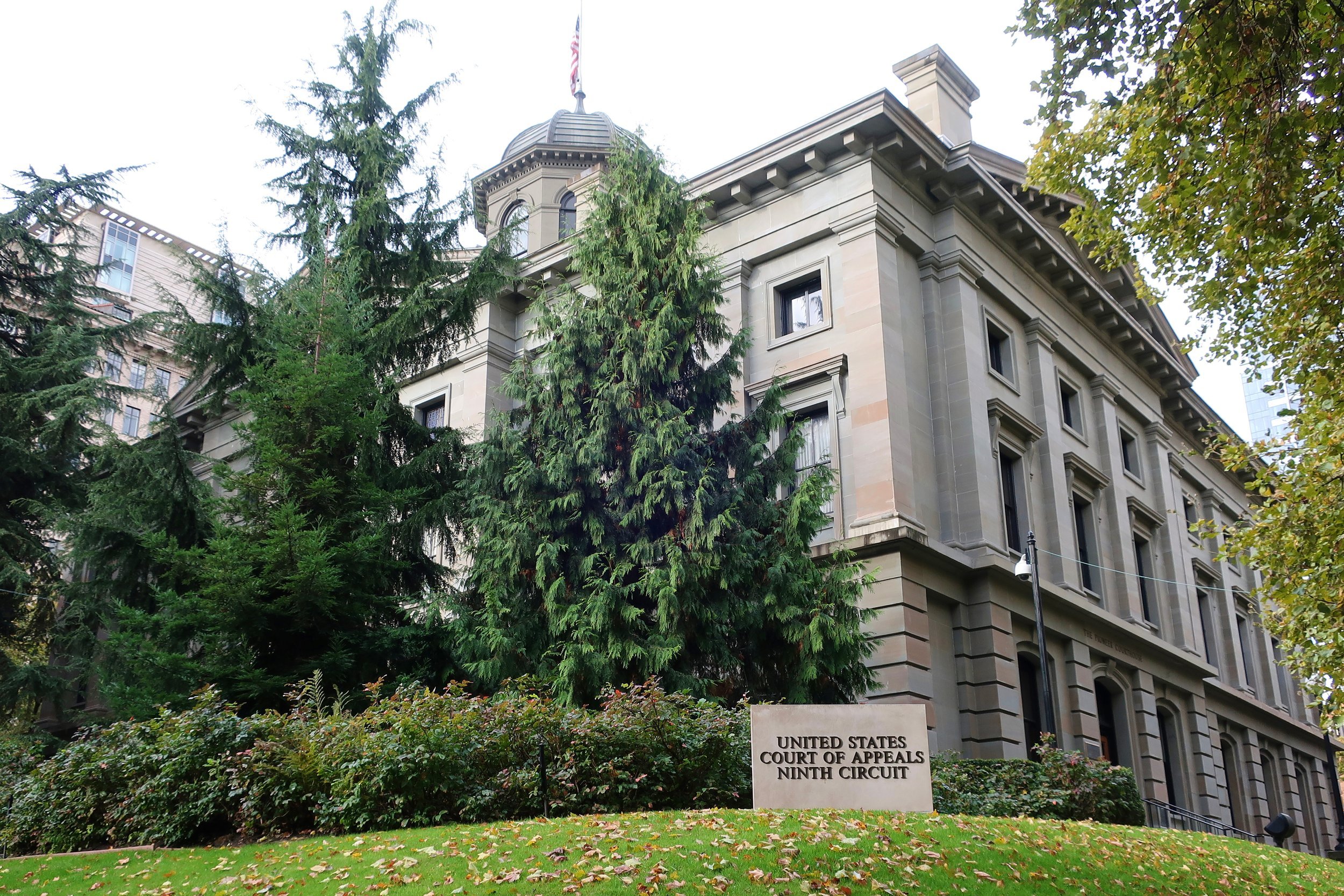



Saginaw, a city in Michigan, chalked car tires to enforce parking regulations. Recently, the U.S. Court of Appeals for the Sixth Circuit considered whether suspicionless tire chalking is a valid administrative search.

To establish the “ultimate discovery” exception to the exclusionary rule, the government must prove the exception by a “preponderance of the evidence,” the Eleventh Circuit recently held in an en banc decision. The full-court decision reversed forty-one years of Circuit precedent.
In two opinions issued on August 12, 2021, the United States Court of Appeals for the Federal Circuit found that the Department of Veterans Affairs erroneously interpreted the provisions of the Department of Veterans Affairs Accountability and Whistleblower Protection Act of 2017 when disciplining its employees. The purpose of the 2017 law, codified at 38 U.S.C. § 714, was to provide for expedited discipline of VA employees, strip MSPB of its authority to mitigate the VA’s chosen penalty, and to impose a less rigorous burden of proof on the agency at the appellate level than a traditional MSPB appeal.

From 2013 to 2016, several law enforcement agencies investigated a methamphetamine distribution conspiracy in Illinois. The government installed three cameras on nearby utility poles to monitor the home of defendant Travis Tuggle. Two cameras viewed the front of Tuggle’s home and a nearby parking area. The third camera viewed a shed owned by codefendant, Joshua Vaultonburg.

Whether law enforcement officers are entitled to qualified immunity when they knowingly violated their training by retaliating against a person for filming an arrest the officers made in public, was submitted this month for the U.S. Supreme Court’s consideration.

In 2018, Alexander Bebris sent messages to a woman via Facebook Messenger, a private messaging system on Facebook. Facebook Messenger utilizes PhotoDNA, a Microsoft image-recognition program that provides the capability to scan images uploaded onto the company’s platform and compares the “hash,” or essence of a photo, with a database of known images of child pornography. After a “hit,” Facebook reviews the flagged images and sends them to the National Center for Missing and Exploited Children (“NCMEC”) through the CyberTipline.
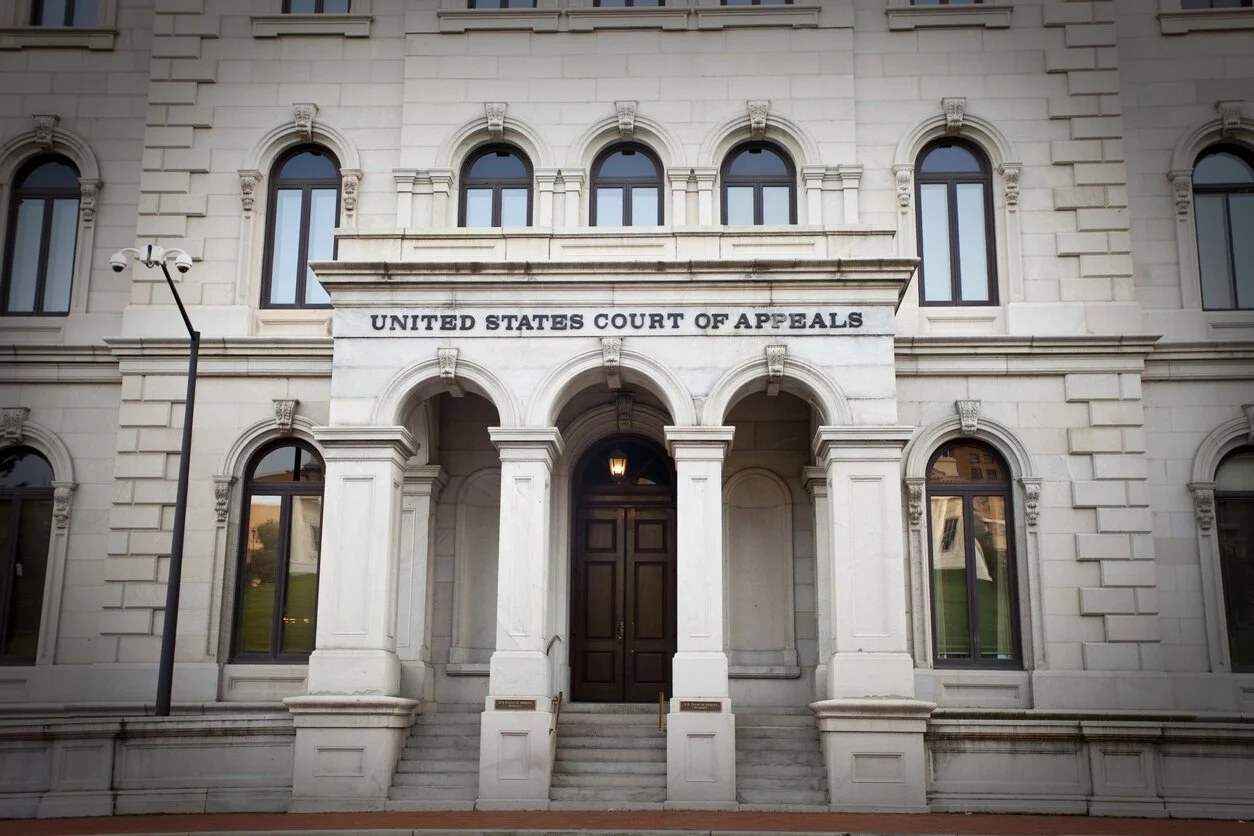
Using three pole cameras mounted on public property to continuously monitor the exterior of a defendant’s home for 18 months without a warrant is not an unreasonable search in violation of the Fourth Amendment, according to the Seventh Circuit.
On April 16, 2019, Des Moines police officers responded to various calls of gunshots fired at an apartment complex. The callers reported 3 potential suspects and 2 cars associated with those suspects. One caller described a suspect as a black male with dreadlocks in a white shirt and dark blue pants, a description fitting Shaun Short that evening. Callers also reported that one of the cars involved was a black Dodge Charger, the same make and model car owned by Short.
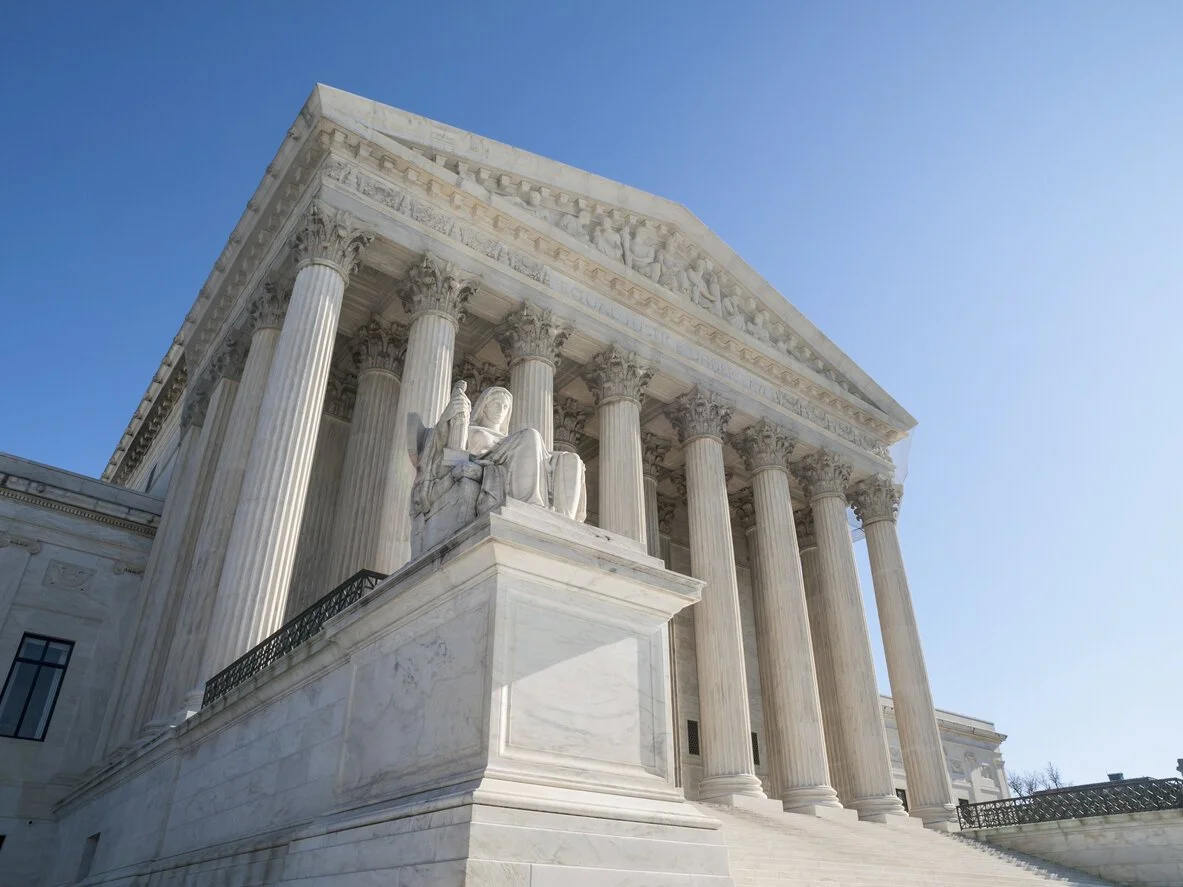
Law enforcement cannot place a resisting person in a prone position regardless of other factors, the Supreme Court held this week. “Such a per se rule would contravene the careful, context-specific analysis” the Court requires.

Yesterday, in an opinion authored by Justice Kagan, the Supreme Court issued an order on United States v. Lange, and held that the flight of a suspected misdemeanant does not always justify the warrantless entry of a police officer into a home. FEDagent previously reported on this case when the Court granted certiorari.

On August 1, 2013, FBI Special Agent Bryan Acee was undercover and observed Matthew Maley engage in a drug deal out of his travel trailer in an RV park in Las Cruces, NM. Acee also observed a green Range Rover and a black Dodge pickup truck nearby. Officers performed a background check on Maley and found that he was a convicted felon on probation.