
CarMax to Pay Nearly $500k for Illegal Repossession of U.S. Service Members’ Vehicles
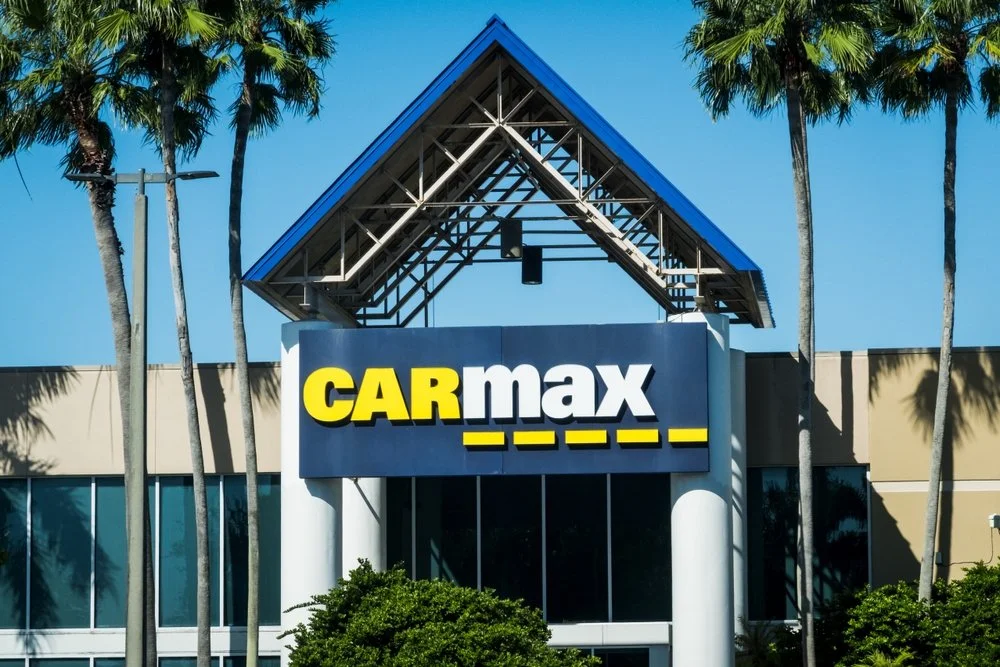
CarMax agreed to pay about $500,000 to resolve claims that it illegally repossessed vehicles belonging to members of the U.S. military.
According to the Department of Justice (DOJ), CarMax repossessed the vehicles of at least 27 service members from March 2018 through October 2023 without obtaining a court order. The actions violated the Servicemembers Civil Relief Act (SCRA).
“Federal law prohibits businesses from repossessing service members’ vehicles without a court order,” said DOJ Assistant Attorney for the Civil Rights Division Harmeet K. Dhillon. “The Department of Justice is proud to defend the rights of those who serve in our military and will continue to vigorously enforce the laws that protect them.”
Each affected servicemember will receive $15,000 plus any lost equity in the repossessed vehicle. CarMax also agreed to pay an additional $80,000 to the federal government.
The SCRA prevents auto retailers from repossessing vehicles of servicemembers without a court order if they’ve made at least one payment before entering military service. For members of a reserve component, the protections begin on the date the member receives orders to military service.
The court order allows a judge to consider factors involved such as a deployment in considering whether to delay action against the service member.
CarMax Implementing Additional Training
CarMax, the nation’s largest used car retailer, neither admitted to or denied the allegations, but is implementing additional training and compliance.
“Consistent with CarMax Auto Finance’s commitment to continuous improvement and supporting those who serve, we have enhanced our SCRA processes, expanded proactive screening and outreach, and reinforced employee training to help ensure all eligible servicemembers and their dependents receive the protections they deserve,” said CarMax in a statement to Fox Business.
This case was handled by the Civil Rights Division’s Housing and Civil Enforcement Section and the U.S. Attorney’s Office for the Eastern District of Virginia.