

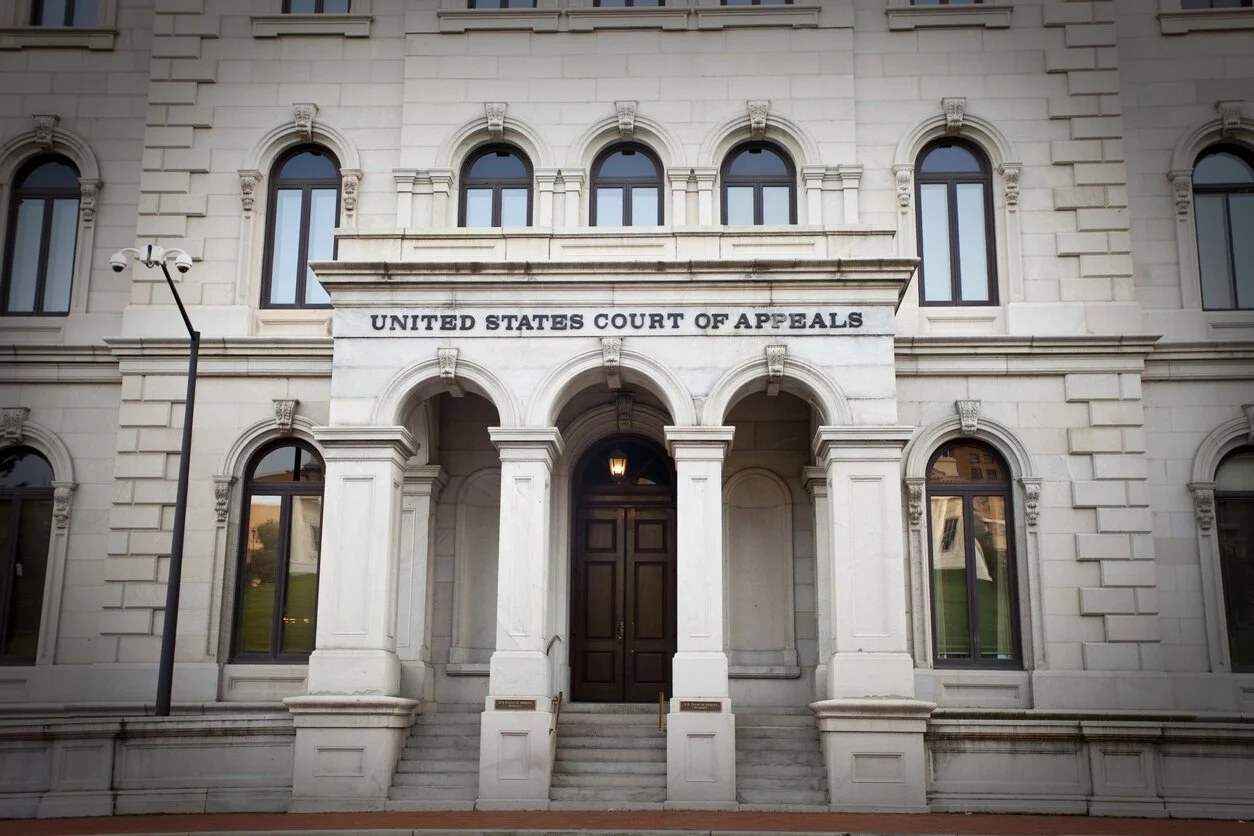
Prolonged Warrantless Monitoring From Pole Cameras Not A Fourth Amendment Violation, Seventh Circuit Decides
Using three pole cameras mounted on public property to continuously monitor the exterior of a defendant’s home for 18 months without a warrant is not an unreasonable search in violation of the Fourth Amendment, according to the Seventh Circuit.
Eighth Circuit: Automobile Exception Applies to Temporarily Immobile Vehicles
On April 16, 2019, Des Moines police officers responded to various calls of gunshots fired at an apartment complex. The callers reported 3 potential suspects and 2 cars associated with those suspects. One caller described a suspect as a black male with dreadlocks in a white shirt and dark blue pants, a description fitting Shaun Short that evening. Callers also reported that one of the cars involved was a black Dodge Charger, the same make and model car owned by Short.
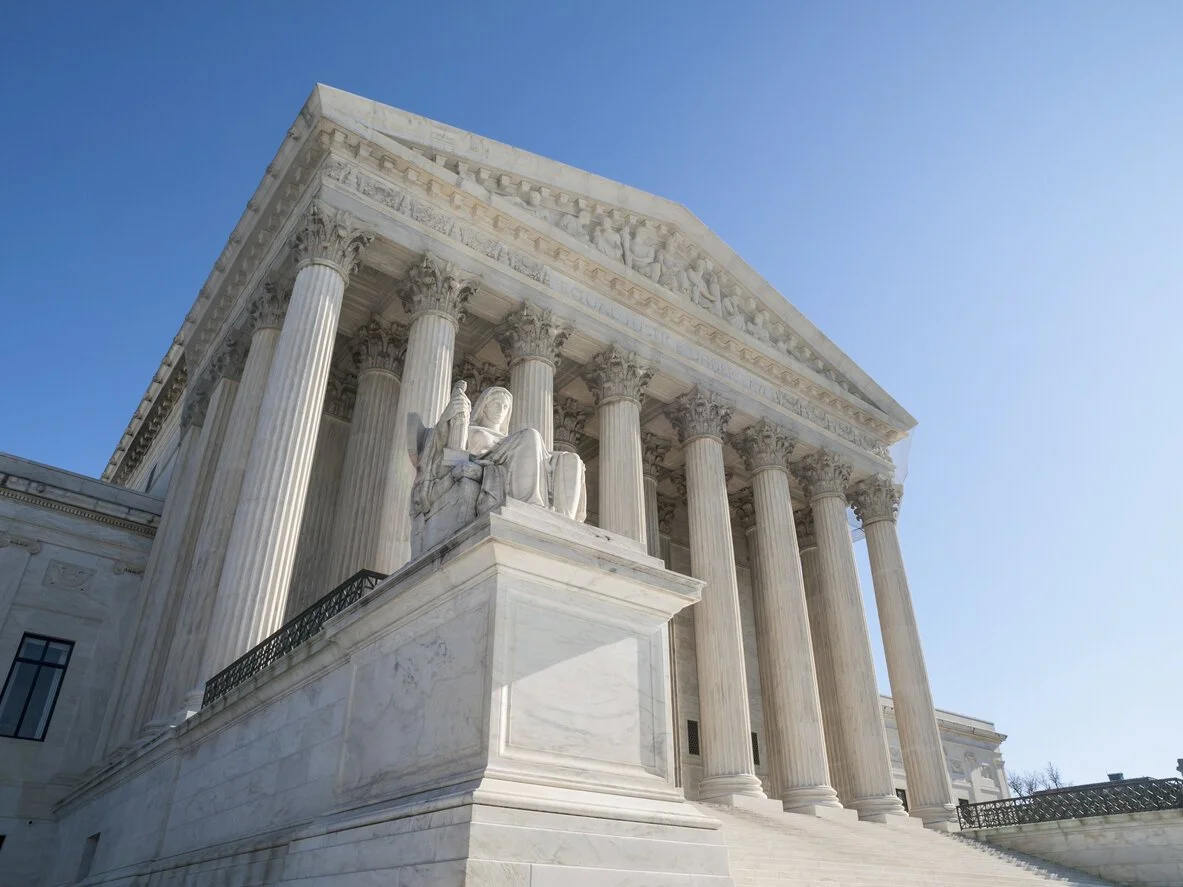
Supreme Court Rejects “Per Se” Rule For Excessive Force Analysis
Law enforcement cannot place a resisting person in a prone position regardless of other factors, the Supreme Court held this week. “Such a per se rule would contravene the careful, context-specific analysis” the Court requires.

Supreme Court Holds That Officers’ Pursuit of a Fleeing Suspected Misdemeanant Does Not “Categorically” Justify Warrantless Entry to the Home
Yesterday, in an opinion authored by Justice Kagan, the Supreme Court issued an order on United States v. Lange, and held that the flight of a suspected misdemeanant does not always justify the warrantless entry of a police officer into a home. FEDagent previously reported on this case when the Court granted certiorari.

Tenth Circuit Finds Probable Cause to Enter Defendant’s Trailer and Execute Arrest Warrant
On August 1, 2013, FBI Special Agent Bryan Acee was undercover and observed Matthew Maley engage in a drug deal out of his travel trailer in an RV park in Las Cruces, NM. Acee also observed a green Range Rover and a black Dodge pickup truck nearby. Officers performed a background check on Maley and found that he was a convicted felon on probation.
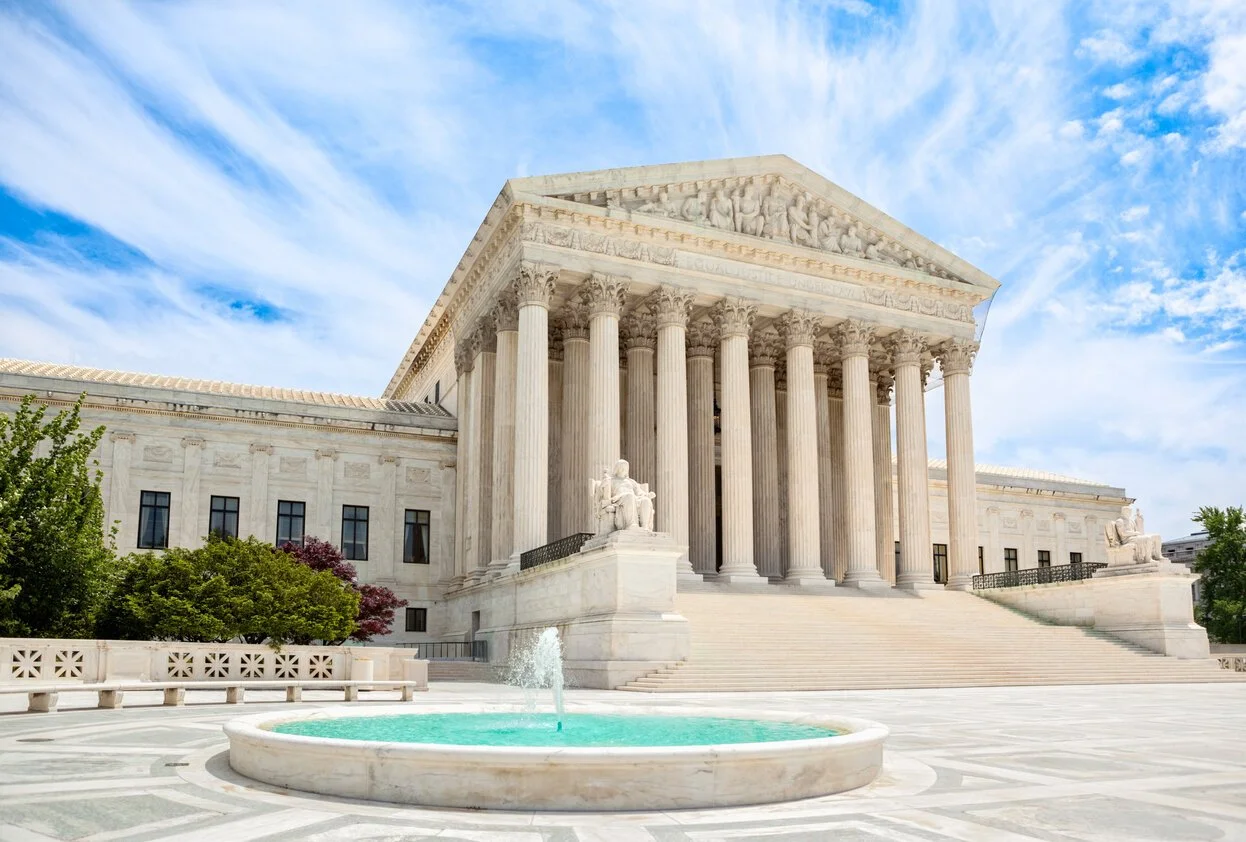
The Supreme Court Holds That Tribal Officers May Stop and Search Non-Indians on Tribal Lands
In February 2016, Officer James Saylor of the Crow Police Department was traveling on a public right-of-way that passes through the Crow Reservation in Montana. Saylor saw a truck parked on the side of the highway, and pulled up to see if its occupants needed assistance. Saylor approached the truck and spoke to the driver, Joshua James Cooley.
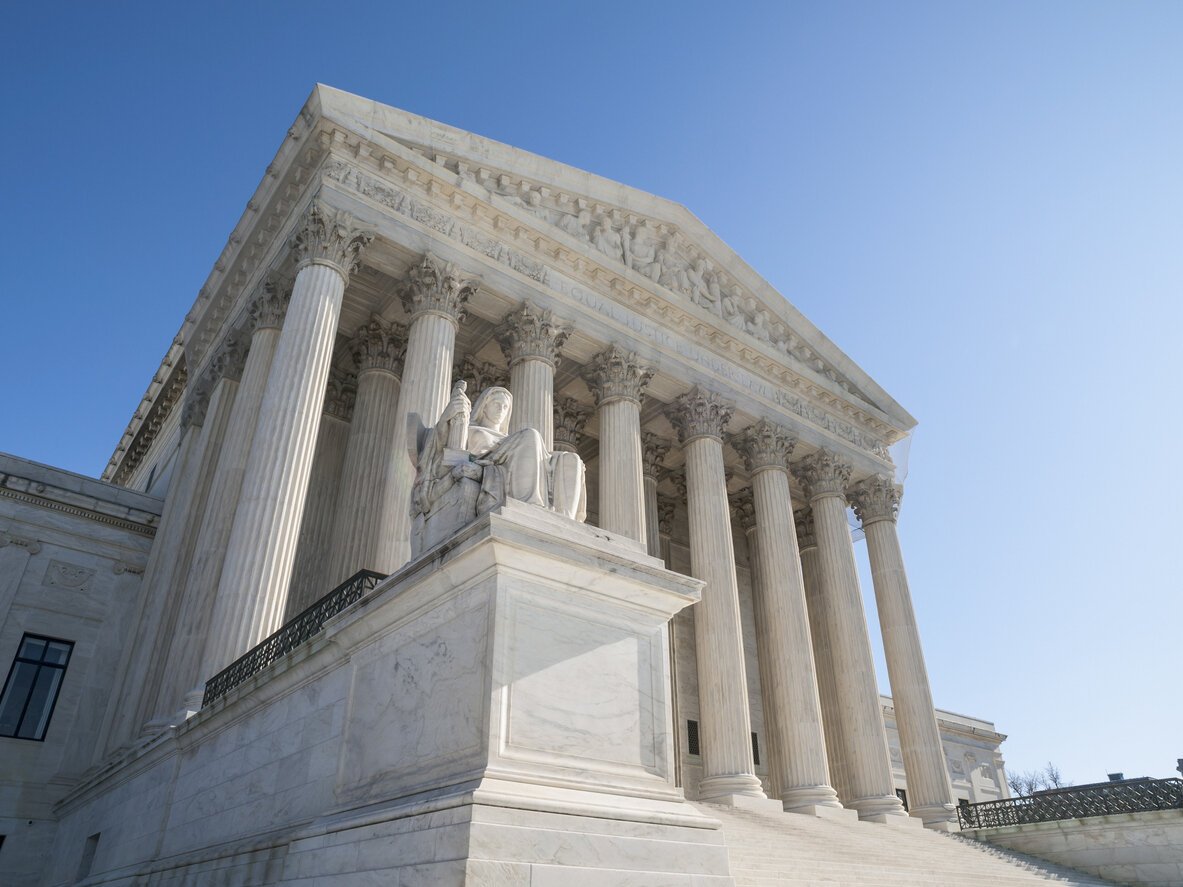
“Community Caretaking” Alone Does Not Justify Warrantless Home Entry, Supreme Court Holds
“Community caretaking” does not create a standalone doctrine that justifies warrantless searches and seizures in the home, a unanimous Supreme Court recently held.
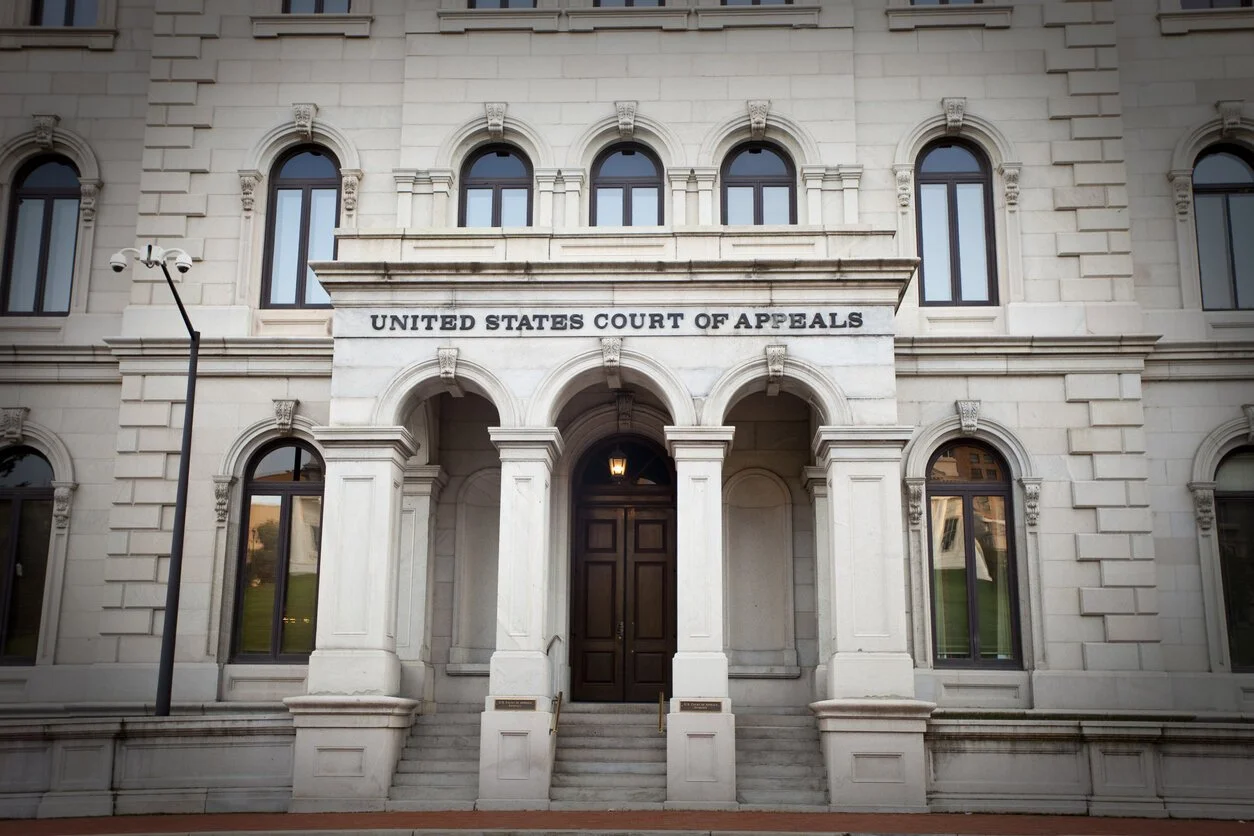
Federal Circuit: Preselection Coupled With Service Discrimination Violates USERRA
The United States Court of Appeals for the Federal Circuit described the litigation of a case it adjudicated on May 14, 2021 as “the decade-long journey of a hard-working man who served his country honorably, only to face workplace discrimination on the basis of that service.” In its opinion, the Federal Circuit held that the Merit Systems Protection Board (MSPB) erred in finding that the candidate’s nonselection for a position at the Department of the Navy would have occurred “regardless of his prior military service.”

Sixth Circuit: Continuous Drug Dealing Operations Alone Justified Warrant to Search Residence
In 2007, the Louisville office of the Drug Enforcement Administration (DEA) conducted an investigation which led to the seizure of drugs and money and the convictions of Byron Mayes and brothers Julio and Alfredo Rivas-Lopez. Flash forward to 2016, and all three drug dealers were out of prison.

Supreme Court to Decide on Gun Owners’ Rights to Carry Concealed Guns Outside
This week, the Supreme Court agreed to review whether the Second Amendment protects the right to carry a gun outside of the home without a license. This marks the first time in over a decade that the Court will weigh in on the Second Amendment.

Seventh Circuit: Independent Grounds Needed to Prolong a Pretextual Stop
On June 25, 2018, Illinois State Trooper Clayton Chapman was on highway patrol duties and received a message from Deputy Sheriff Derek Suttles about a hatchback with a California license plate on Interstate 72. Deputy Suttles reported to Trooper Chapman that the vehicle was going approximately 20 mph under the speed limit, and found it suspicious.

Officer Who Used Suspect as ‘Human Shield’ Entitled to Qualified Immunity, Seventh Circuit Holds
An officer who held his gun to a suspect’s head, while using the suspect as a “human shield,” was entitled to qualified immunity because the officer’s conduct did not violate clearly established law, the Seventh Circuit recently held.
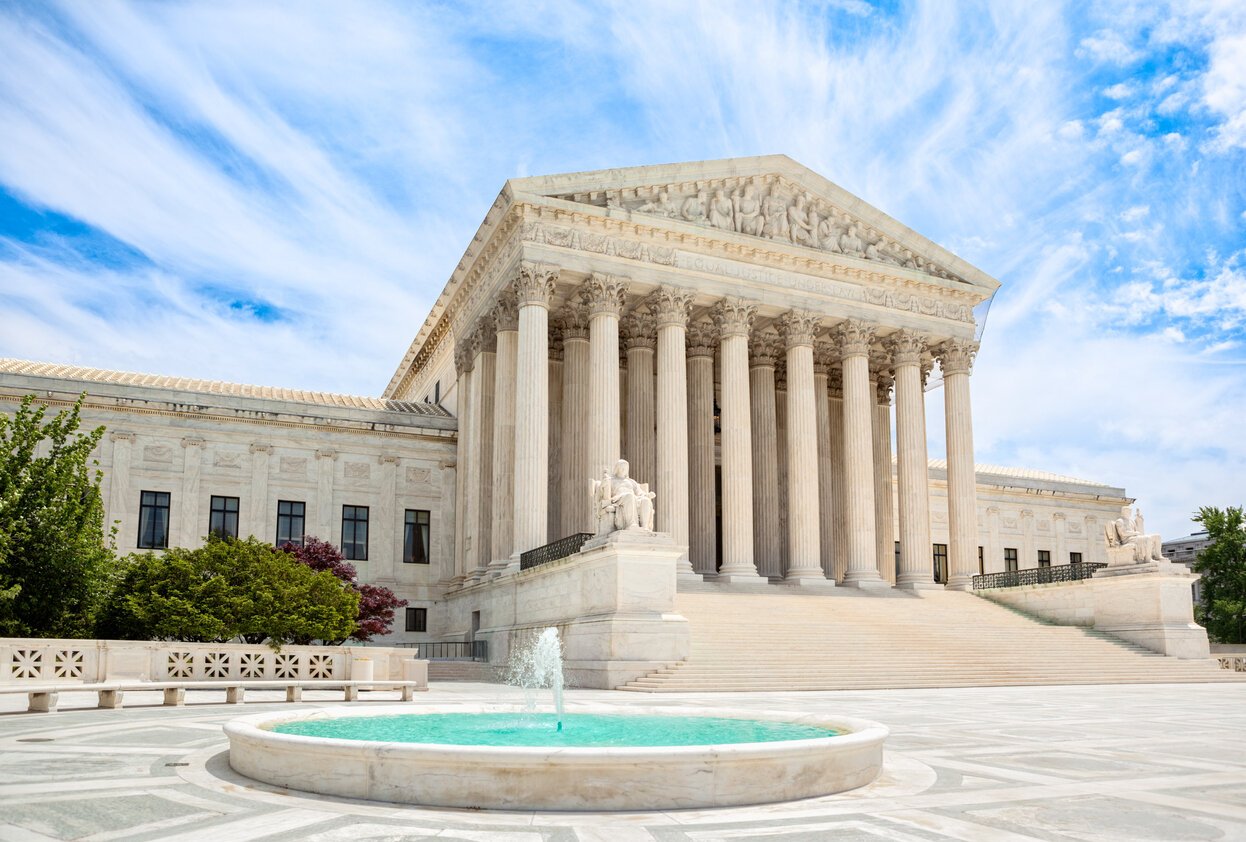
Supreme Court Considering Whether “Community Caretaking” Allows Warrantless Home Entry
The Supreme Court last week heard oral argument on whether the “community caretaking” exception allows law enforcement to enter a home for the purposes of the occupant’s health and safety.

Supreme Court Hears Oral Argument in Fifth Amendment Suit Challenging Union Organization
On March 22, 2021, the Supreme Court of the United States heard oral argument in Cedar Point Nursery v. Hassid.

Federal Circuit: Agencies Must Prove Pre-PIP Unacceptable Performance
Before a federal employee can be terminated for unacceptable performance, the employing agency must provide the employee with an opportunity to demonstrate acceptable performance.
Eighth Circuit: Officers Denied Qualified Immunity after Search of Entire Domicile Not Justified under Community Caretaker Exception
In the middle of the night, a drunk man in his 30s took a taxi from St. Louis to Ballwin, Missouri, asked the taxi driver to stop on the street near the home of Jon Luer and his wife, Andrea Steinebach, and exited the taxi without paying his $65 fare. The driver reported the fare skipper to the police at 2:38 am, and officers arrived on the scene 2:45 am.

Dismissing FTCA Claims for Lack of Jurisdiction Can Bar Related Bivens Claims, Supreme Court Rules
When a district court addresses the merits of a Federal Tort Claims Act claim in its decision dismissing that claim for failing to legally state a claim, the FTCA bars the plaintiffs from bringing any Bivens claim on the same subject matter, the Supreme Court held today.

Penalties Mitigated in Arbitration, after an Agency Decision, Do Not Establish Disparate Treatment
McKenzie Holmes was a U.S. Postal Service (“USPS”) employee from 1989, until his removal in 2018. At the time of his removal, he worked as a city carrier at the Fort Dearborn Station in Chicago.

First Circuit: Warrant or Reasonable Suspicion Not Needed for Basic Border Searches of Electronic Devices
Plaintiffs, ten U.S. citizens and one lawful permanent resident, brought suit against the Secretary of the U.S. Department of Homeland Security (DHS) Kirstjen Nielsen, Acting Commissioner of the U.S. Customs and Border Protection (CBP) Kevin McAleenan, and Acting Director of U.S. Immigration and Customs Enforcement (ICE) Thomas Homan, alleging that certain CBP and ICE policies and practices violated their Fourth Amendment rights.

Accessing Secure Zoom Room Is Evidence of Conspiracy, Third Circuit Affirms
On-camera participation in a password-protected Zoom videoconference may be relied upon as evidence of a conspiracy, the Third Circuit recently held. In that same decision, the Court held Zoom user logs are “classic business records” that may be introduced into evidence.