

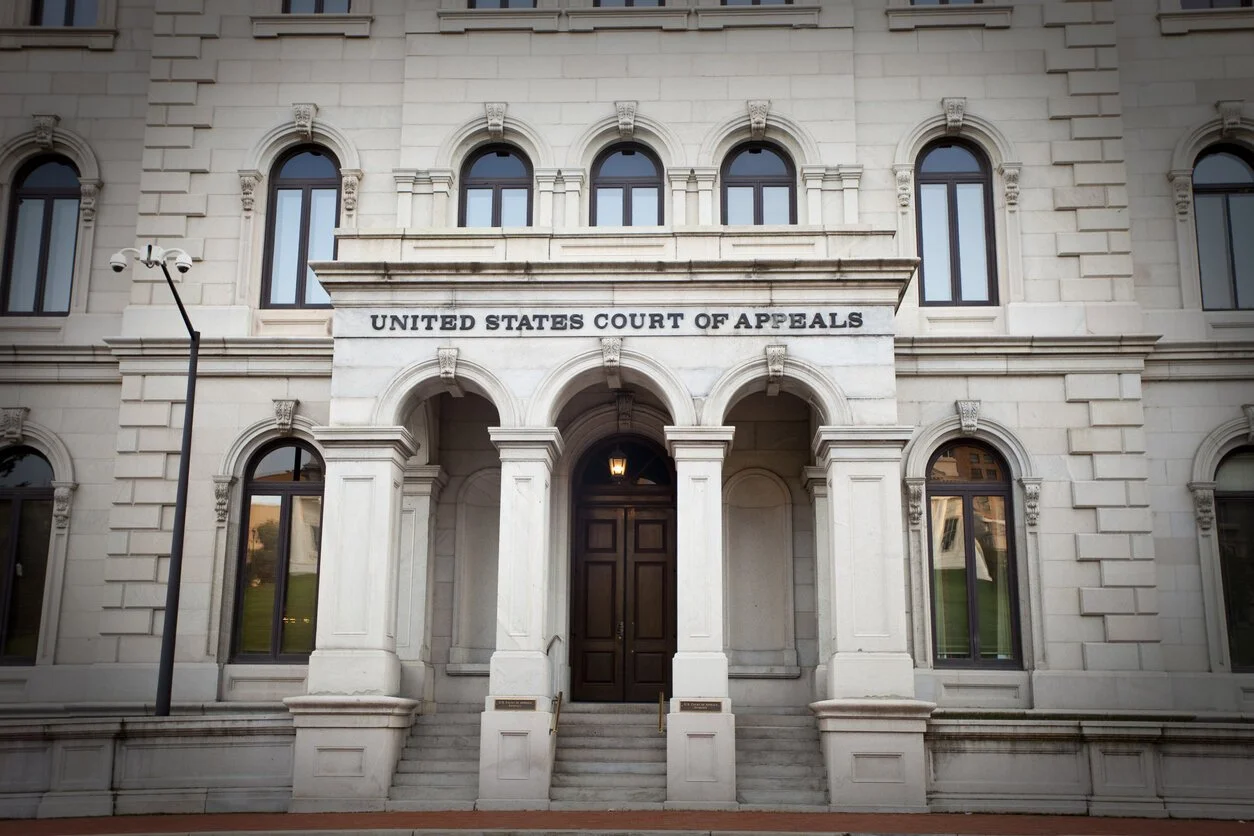
Eighth Circuit: Officers Denied Qualified Immunity after Search of Entire Domicile Not Justified under Community Caretaker Exception
In the middle of the night, a drunk man in his 30s took a taxi from St. Louis to Ballwin, Missouri, asked the taxi driver to stop on the street near the home of Jon Luer and his wife, Andrea Steinebach, and exited the taxi without paying his $65 fare. The driver reported the fare skipper to the police at 2:38 am, and officers arrived on the scene 2:45 am.
Dismissing FTCA Claims for Lack of Jurisdiction Can Bar Related Bivens Claims, Supreme Court Rules
When a district court addresses the merits of a Federal Tort Claims Act claim in its decision dismissing that claim for failing to legally state a claim, the FTCA bars the plaintiffs from bringing any Bivens claim on the same subject matter, the Supreme Court held today.

Penalties Mitigated in Arbitration, after an Agency Decision, Do Not Establish Disparate Treatment
McKenzie Holmes was a U.S. Postal Service (“USPS”) employee from 1989, until his removal in 2018. At the time of his removal, he worked as a city carrier at the Fort Dearborn Station in Chicago.

First Circuit: Warrant or Reasonable Suspicion Not Needed for Basic Border Searches of Electronic Devices
Plaintiffs, ten U.S. citizens and one lawful permanent resident, brought suit against the Secretary of the U.S. Department of Homeland Security (DHS) Kirstjen Nielsen, Acting Commissioner of the U.S. Customs and Border Protection (CBP) Kevin McAleenan, and Acting Director of U.S. Immigration and Customs Enforcement (ICE) Thomas Homan, alleging that certain CBP and ICE policies and practices violated their Fourth Amendment rights.

Accessing Secure Zoom Room Is Evidence of Conspiracy, Third Circuit Affirms
On-camera participation in a password-protected Zoom videoconference may be relied upon as evidence of a conspiracy, the Third Circuit recently held. In that same decision, the Court held Zoom user logs are “classic business records” that may be introduced into evidence.
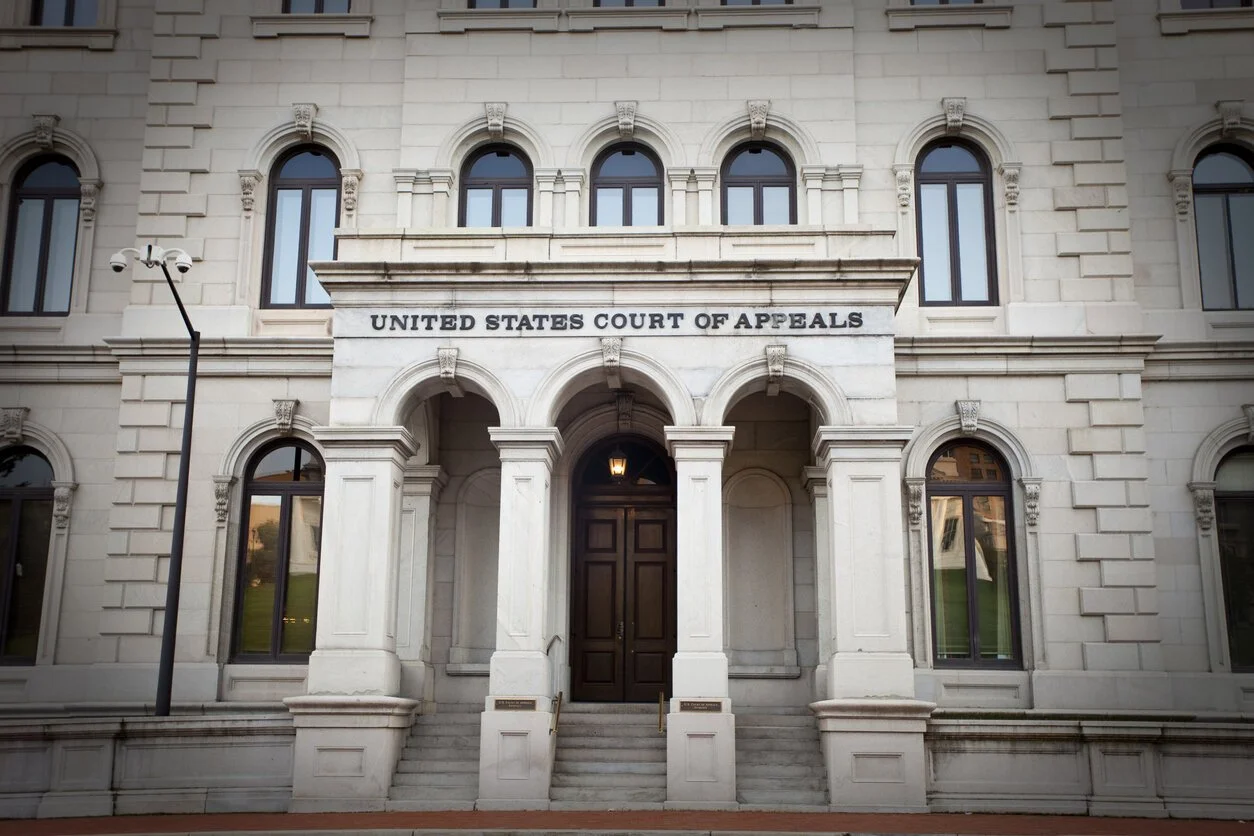
Third Circuit: Federal Civilian Dual Status Technicians Not Covered under the Uniformed Services Exception to Reduced Social Security Benefits
Floyd Douglas Newton worked as a National Guard dual status technician from 1980 until 2013. A dual status military technician is a federal civilian position supporting the Selected Reserve or armed forces. Though civilians, dual status technicians are required to maintain National Guard membership, hold a particular military grade, and wear appropriate military uniform, among other requirements.

Eighth Circuit Refuses to Extend Bivens to False Arrest by Deputized Federal Officer
Muna Abdulkadir was a witness for the government in a federal sex-trafficking case. In that case, thirty individuals were charged and detained as suspected participants in a sex-trafficking scheme. Of the thirty individuals, only nine were tried, and all were acquitted.
Agents Exposed to Personal Liability Under Religious Freedom Restoration Act, Supreme Court Rules
Government officials may be sued in their personal capacity for alleged violations of the Religious Freedom Restoration Act of 1993 (RFRA), the Supreme Court held in the case of Tanzin v. Tanvir, issued last week.

Federal Circuit: No Waiver of Sayers Arguments in VA Removal Case
A VA police officer was removed by the Department of Veterans Affairs under the 2017 “accountability” law 38 U.S.C. § 714 that limited review of VA’s actions against general schedule employees. The removal was based on conduct occurring prior to the enactment of the law. The employee appealed to the MSPB, and the MSPB affirmed the removal. On December 7, 2020, the United States Court of Appeals for the Federal Circuit vacated the MSPB’s decision, and remanded the case to the MSPB with instructions to remand the case further back to the agency.

OSC and CIGIE Reach Agreements for Investigation Referrals
On November 3, 2020, the United States Office of Special Counsel (OSC) announced that it had reached two agreements with the Council of the Inspectors General on Integrity and Efficiency (CIGIE). A statement by OSC claimed that the “core goals of the agreements are to protect the independence of the respective Inspectors General and provide better outcomes to whistleblowers who report allegations of wrongdoing by OIGs.” The agreements are “the result of a years-long effort to clarify standards of procedure for such disclosures.”
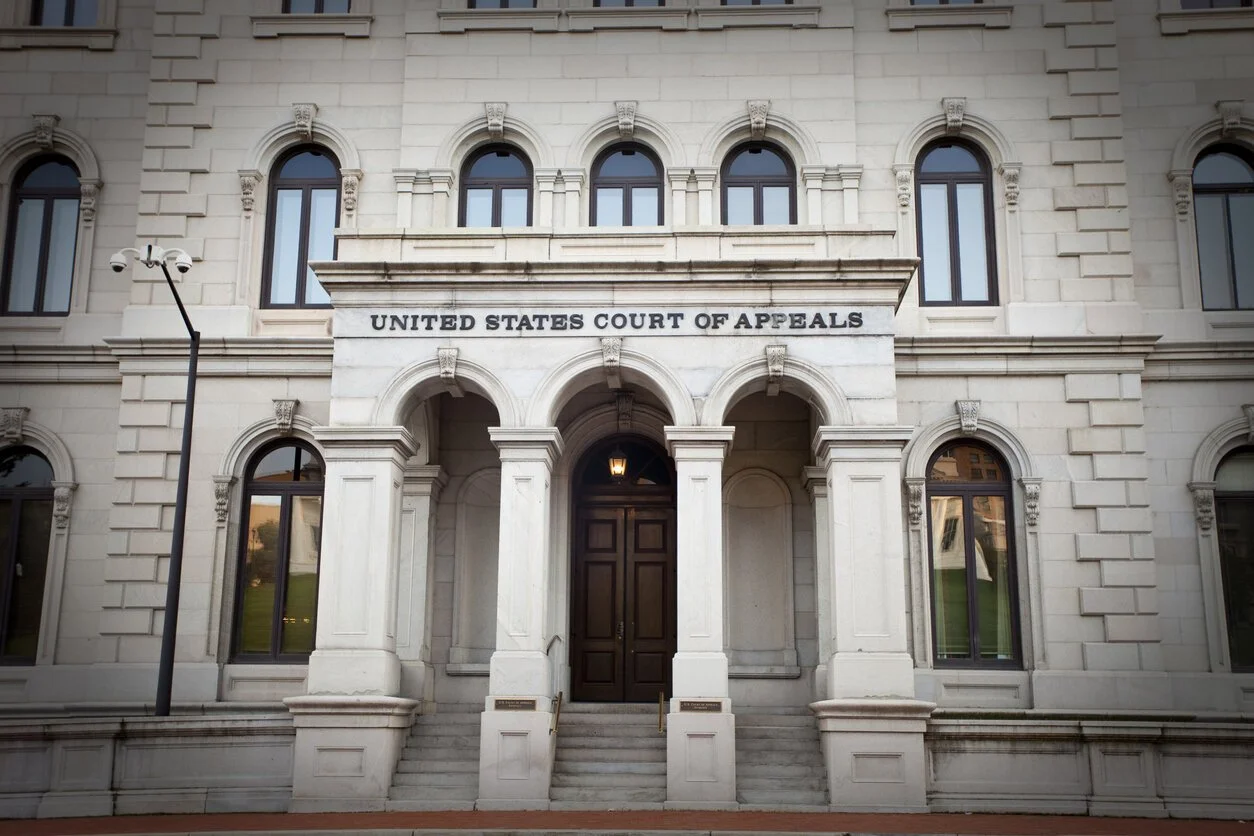
Fifth Circuit: No Fourth Amendment Standing in Another Person’s Cell Site Location Information
While conducting a narcotics investigation, the Monroe Police Department learned from drug dealers and cooperating witnesses that Matthew Beaudion and his girlfriend, Jessica Davis, were distributing drugs. Officers obtained Davis’s phone number from one witness. The witness also told the officers that Beaudion and Davis planned to drive from Houston to Monroe with four pounds of meth.

MSPB Must Determine Jurisdiction Over IRA Claims On Face Of Complainant’s Allegations
The MSPB cannot consider an agency’s interpretation or presentation of evidence to decide whether an individual-right-of-action presents a non-frivolous allegation of whistleblower reprisal, the Federal Circuit clarified in a recent holding.

Supreme Court Denies Qualified Immunity, Finding that Law Is Clear Inmates Require Clean Cells
Trent Taylor is an inmate at the Texas Department of Criminal Justice. For six days in September 2013, Taylor claimed that correctional officers confined him in two different unsanitary cells. In the first, the floor, the ceiling, the window, the walls, and even the water faucet were covered in feces. Taylor did not eat or drink for four days because he feared that he would consume contaminated products.

Fifth Circuit: Briefly Examining Mailing Label Is Not Fourth Amendment ‘Seizure’
Temporarily removing a package from mail processing to examine its exterior does not constitute a Fourth Amendment seizure, the U.S. Court of Appeals for the Fifth Circuit recently held.

Supreme Court to Decide Constitutionality of Warrantless Entry in “Hot Pursuit” of Misdemeanor Suspect
The U.S. Supreme Court will decide whether pursuit of a person who a police officer has probable cause to believe has committed a misdemeanor allows the officer to enter a home without a warrant.
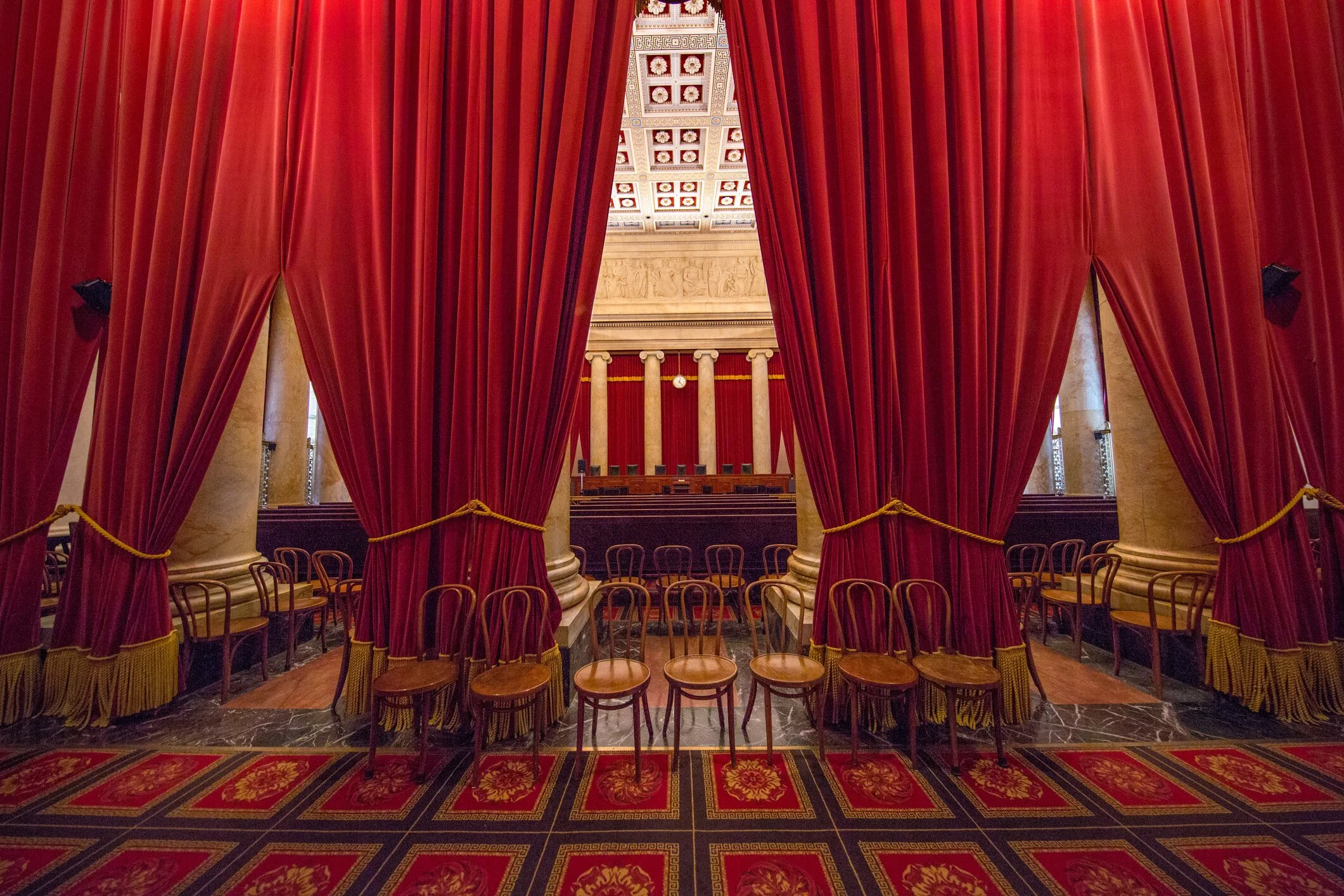
Supreme Court Hears Oral Argument on Whether the Religious Freedom Restoration Act Permits Money Damages as a Remedy
On October 6, 2020, the Supreme Court heard telephonic oral arguments for Tanzin v. Tavir, which poses the question of whether the Religious Freedom Restoration Act (RFRA), passed in 1993, allows suits seeking money damages against individual federal employees, here FBI agents.

Federal Circuit: CFC Has Discretion to Deny Liquidated Damages for Erroneous Classification
An NCIS investigations specialist filed suit, alleging that NCIS erroneously classified him as exempt from overtime pay, and for years denied him overtime compensation and premium pay in violation of the Fair Labor Standards Act (FLSA). On September 24, 2020, the United States Court of Appeals for the Federal Circuit affirmed the Court of Federal Claims’ decision, after a trial, to deny liquidated damages, despite finding that NCIS was liable for incorrectly classifying the position as FLSA-exempt.

Officer Removed On Results Of Psychological Assessment Entitled On Appeal To Challenge Assessment’s Basis
Where an agency relies, directly or indirectly, on the results of a psychological assessment in justifying an employee’s removal, the agency must provide the employee with a meaningful opportunity to review and challenge the evidence underlying the assessment, the Federal Circuit recently held.

Fifth Circuit Declines to Extend Bivens to Fourth Amendment Claims Against VA Officers
Recently, the Court of Appeals for the Fifth Circuit declined to extend Bivens to violations of the Fourth Amendment for excessive force and unreasonable seizure brought against Department of Veterans Affairs police officers.

D.C. Circuit Panel: Congress Must Pass Law to Authorize House Subpoena Enforcement
On August 31, 2020, in a 2-1 decision after a remand from the en banc court, a panel of the United States Court of Appeals for the D.C. Circuit held that the Committee on the Judiciary of the United States House of Representatives (“Judiciary Committee”) had no valid cause of action to enforce its subpoena for executive branch records related to former White House Counsel Donald F. McGahn, II, where the Executive Branch blocked McGahn’s testimony and asserted “absolute testimonial immunity.”