


Federal Circuit: No MSPB Jurisdiction for Termination for Failure to Maintain National Guard Membership
A dual-status military technician, whose position was partially civilian and partially military, appealed his termination for failing to maintain membership in the National Guard, a prerequisite to his dual-status appointment under 32 U.S.C. § 709(b), to the Merit Systems Protection Board. The MSPB took jurisdiction and heard the case on the merits, ultimately affirming the termination. The employee petitioned the United States Court of Appeals for the Federal Circuit for review. On August 21, 2020, the appeals court vacated the MSPB decision, finding that the Board did not have jurisdiction to hear the appeal in the first place.
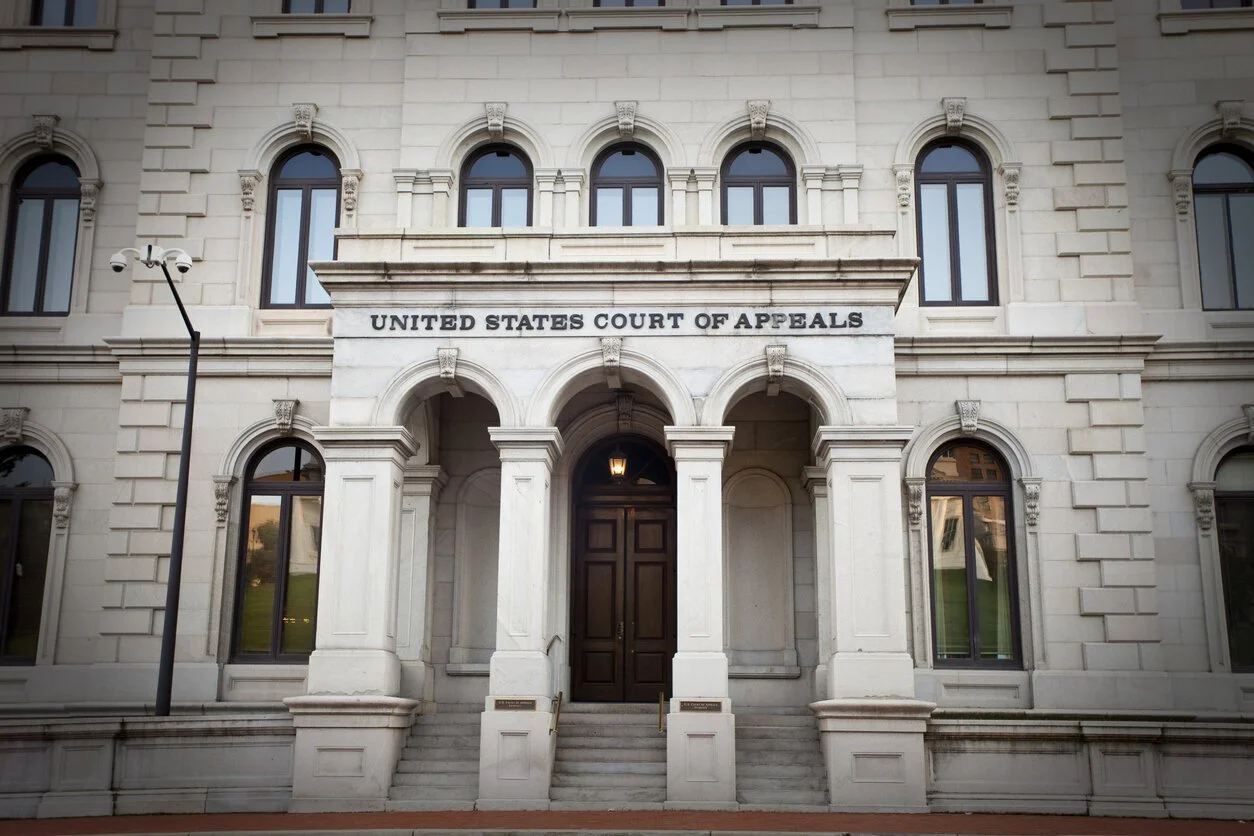
Third Circuit: Terry Stop and Frisk Justified Due to FBI Notice Suspect Was Armed and Dangerous
The Third Circuit Court of Appeals recently held that an FBI notice identifying a suspect as armed and dangerous justified an officer’s demonstration of his weapon and use of handcuffs during Terry stop and frisk.

Ninth Circuit Rules on Claims of Unconstitutional Surveillance Against FBI Agents and Government
Three Muslims in Southern California subjected to surveillance by the FBI solely because of their religion brought suit against FBI Agents and the U.S. government for violating their constitutional rights. Among various other claims, they brought a private right of action for violations under the Foreign Intelligence Surveillance Act and violations of their Fourth Amendment rights under Bivens. They also sought the expungement of collected information and damages for the alleged unlawful surveillance.

Federal Circuit Rules PACER Fees Excessive
On August 6, 2020, the United States Court of Appeals for the Federal Circuit affirmed a district court ruling that the federal judiciary has been charging unlawfully excessive fees for access to records through the Public Access to Court Electronic Records (PACER) system.
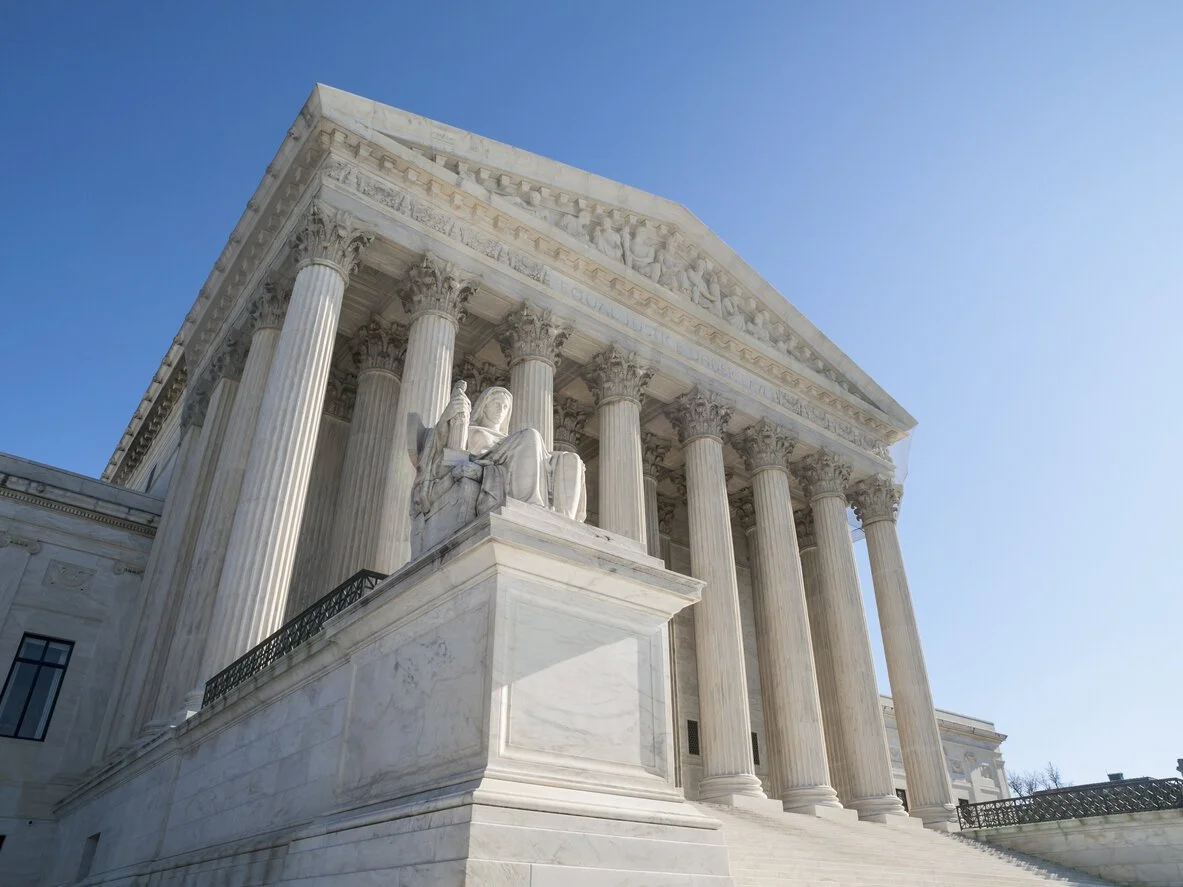
Federal Government May Retry Dismissed Oklahoma Convictions For Crimes On Creek Reservation
Thousands of Oklahoma convictions of Creek Nation members on reservation land may be dismissed following the U.S. Supreme Court’s recent decision in McGirt v. Oklahoma. In that case, the Supreme Court held that only the tribes and federal government may prosecute Native Americans living in most of Eastern Oklahoma for crimes committed there. This holding may be extended to dismiss potentially thousands of state convictions for retrial by either tribal governments or the U.S. Department of Justice.

Seventh Circuit Rebukes MSPB AJ’s Whistleblower Findings, Remands Again for Damages
In 2018, the United States Court of Appeals for the Seventh Circuit held the MSPB acted arbitrarily and capriciously when it dismissed an ATF employee’s Individual Right of Action appeal. The Seventh Circuit’s 2018 opinion found that the employee “properly alleged a ‘protected disclosure’ and exhausted his administrative remedies so that the Board had jurisdiction to evaluate the merits of his claim.” The MSPB AJ denied relief, and the employee appealed to the Seventh Circuit again. On July 16, 2020, the appeals court again held that the MSPB acted arbitrarily, capriciously, and contrary to law. This time, the remand to the MSPB was only on the extent of relief to the employee.

Federal Circuit: Agencies Can Remove Burrowed Employees to Correct Illegal Appointments
On June 26, 2020, the United States Court of Appeals for the Federal Circuit held that the removal of illegally appointed employees who had otherwise not committed misconduct or performed poorly still promoted the efficiency of the service.

Supreme Court: Single-Director Structure of CFPB Violates Constitution’s Separation of Powers
On June 29, 2020, the United States Supreme Court held that restrictions on the President of the United States’ ability to fire a single director of a federal agency violates the separation of powers clause of the United States Constitution.

Supreme Court: Title VII Protects Gay, Lesbian, and Transgender Employees
On June 15, 2020, the Supreme Court of the United States, by a 6-3 vote, held that an employer who fires an individual merely for being gay or transgender violates Title VII’s prohibition on sex discrimination.

VA Employee Asks Eleventh Circuit To Ease EEO Reprisal Legal Standard For Federal Employees
FEDagent recently reported the U.S. Supreme Court’s decision in Babb v. Wilkie. In Babb, the Supreme Court reversed a panel of U.S. Court of Appeals for the Eleventh Circuit and held the prohibition against age discrimination in the federal workplace was broader than that applied in the private sector. We update you now that plaintiff Noris Babb is requesting the full Eleventh Circuit to apply the Supreme Court’s holding to lower the bar to establish EEO reprisal claims in the federal workplace.

A Suspect’s Mere Possession of a Firearm Does Not Permit an Officer’s Use of Deadly Force
In October 2016, Little Rock, AR Police Officer Dennis Hutchins shot and killed Roy Lee Richards, Jr. The U.S. Court of Appeals for the Eighth Circuit recently found that Officer Hutchins’s shooting of Richards, who possessed a pellet gun, was unreasonable under the Fourth Amendment, and denied Officer Hutchins qualified immunity.

Whether Suspect Shot By Police Was “Seized” For Fourth Amendment Purposes To Be Decided By Supreme Court
Whether an unsuccessful attempt to detain a suspect by use of physical force is a “seizure” within the meaning of the Fourth Amendment, in a case where officers shot a suspect who temporarily eluded capture and subsequently sued for civil damages, is set to be decided by the U.S. Supreme Court in its Fall Term.

Sixth Circuit: Absolute Immunity Denied to Prosecutors Who Directed an Investigation and Offered Legal Advice to Officers on the Existence of Probable Cause
From February 2017 through February 2018, the Rutherford County, TN Sheriff’s Office investigated the sale of cannabidiol, commonly known as CBD, products by stores in Rutherford County. During the investigation, a law enforcement officer purchased CBD products from a store, and submitted them to the Tennessee Bureau of Investigation (“TBI”) for lab testing. In May 2017, a lab report indicated that the product contained CBD, a Schedule VI substance.

Officers Who Tased Handcuffed Arrestee Entitled To Qualified Immunity In §1983 Action
Officers who tased a plaintiff up to eight times where the plaintiff acted violently and uncooperatively, even after being handcuffed, were entitled to qualified immunity in §1983 action, the Eighth Circuit this week held.

Federal Circuit: “Retaliatory” Investigations Not Personnel Actions Under WPA
A Department of Veterans Affairs medical center director made multiple protected disclosures to the VA Office of Inspector General about agency spending and contracts in October 2013. He repeated those concerns in a conference call in January 2014. His second line supervisor was on that conference call. The second-line supervisor, several weeks later, appointed an Administrative Investigation Board (AIB) to investigate inappropriate relationships with subordinate staff, and investigators treated the medical center director as a subject of that investigation.

Supreme Court: Federal Sector Personnel Actions Must Be Free of Any Consideration of Age
On April 6, 2020, the United States Supreme Court issued its decision in Babb v. Wilkie. The question in this case was whether the Age Discrimination in Employment Act of 1967 (ADEA) requires federal sector employees to show that age was a “but-for” cause of the personnel action taken, rather than merely show that it was tainted by any discrimination at any stage. Previously, the court interpreted the private-sector provision to require “but-for” causation. In its April 6 decision, the Court held that “[t]he plain meaning of § 633a(a) demands that personnel actions be untainted by any consideration of age.”

Officers Receive Qualified Immunity From 1983 Claim Regarding Extension of Warrant For Vehicle To Include Search For Keys
A warrant authorizing a search of property and the seizure of a vehicle implicitly included a search of the property for police to seize the vehicle’s keys, the Eighth Circuit recently held.

Workers File Class Action Lawsuit for COVID-19 Hazard Pay
In a complaint filed in the United States Court of Federal Claims, five federal employees, on behalf of themselves and all others similarly situated, alleged that they performed work “with or in close proximity to objects, surfaces, and/or individuals infected with the novel coronavirus (“COVID-19”).” On March 27, 2020, in their complaint, the employees alleged they were entitled to, but did not receive, hazardous duty pay differential for exposure to virulent biologicals set forth in federal regulations.

VA Penalty Determinations Under New Title 38 Authority Is Reviewable By MSPB, New Authority Cannot Be Retroactively Applied
Congress did not intend to give the Department of Veterans Affairs carte blanch to impose penalties against non-executive career employees without review, the Federal Circuit held this week.

First Circuit Extends the Community Caretaking Exception to the Home
Recently, the First Circuit held that police officers who engage in community caretaking functions on private property without a warrant are entitled to constitutional protection.