TSA Scraps Gold+ Privatization Plan, Pivots to Expanded Screening Partnership Program
The Transportation Security Administration (TSA) is changing course on its effort to expand private airport security screening. TSA announced that it’s ending the new Gold+ privatization screening plan and will instead focus on optimizing its existing Screening Partnership Program (SPP).
TSA said the goal is to “better harness the role of the private sector in delivering a safer, more secure, and more efficient aviation system.”
End of Gold+
The news comes after Tampa International Airport opted out of Gold+. Tampa was one of three airports selected for the initial program which would allow private security firms to handle security measures and provide their own security equipment, while complying with federal guidelines.
Tampa had cited operational resilience during future government shutdowns as one reason for evaluating Gold+, along with access to new screening technology and an improved passenger experience.
The news of the pullout was applauded by the American Federation of Government Employees (AFGE), which filed a lawsuit in August to force TSA to turn over records on the program.
“Ensuring the safety and security of the flying public is too important to contract out to the lowest bidder, and the Tampa airport’s decision to reject TSA Gold+ is a clear vote of confidence in the federal employees who currently perform this critical work,” said AFGE District 5 National Vice President Tatishka Thomas.
TSA Horizon 25 and SPP
The shift is part of TSA's Horizon 25 strategy, which will focus on enhancing TSA PreCheck, improving the customer experience, and optimizing public-private partnerships through an evolved SPP.
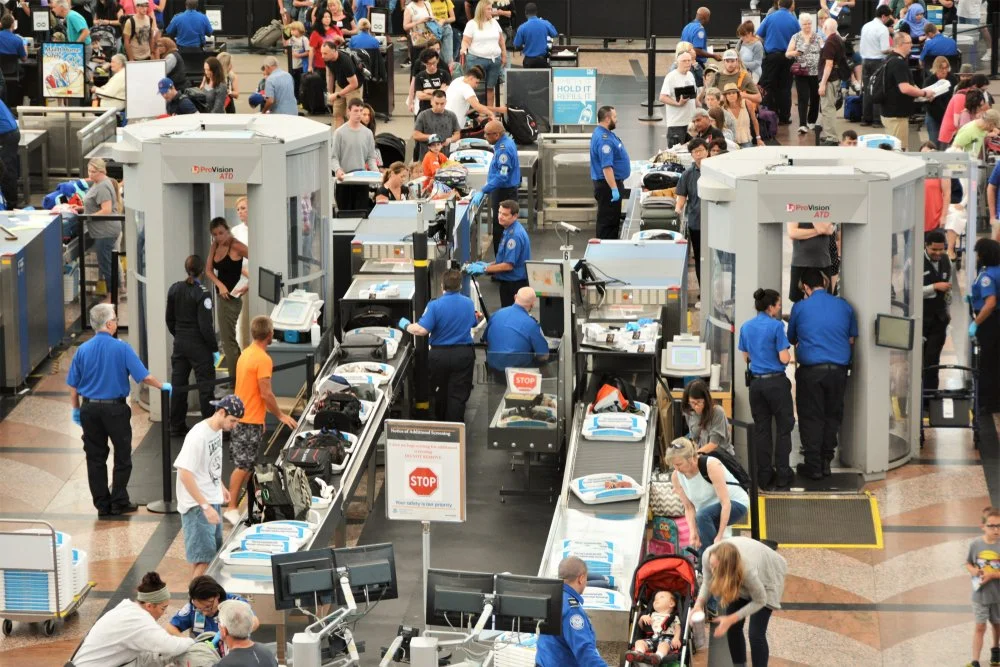
Under SPP, private contractors hire the workforce and run the security checkpoints under TSA guidance. However, private screeners must use TSA equipment. About 20 airports currently use SPP, including San Francisco International and Kansas City International. Plans call for that to expand to about 220 airports.
“TSA does not have to choose between a secure checkpoint, an efficient checkpoint, and an elevated passenger experience,” said TSA Administrator David Cummins. “Through Horizon 25, TSA can, and will, deliver all three at once.”
Horizon 25 also plans to streamline the acquisition of new technology and expand capabilities to counter threats from unmanned aircraft like drones.
According to TSA, the administrator will bring together “innovators and groundbreakers from across the agency, including field and headquarters personnel” in September to “rapidly advance key strategic initiatives.”