
Supreme Court Revives Lawsuit Over FBI Raid at Wrong House
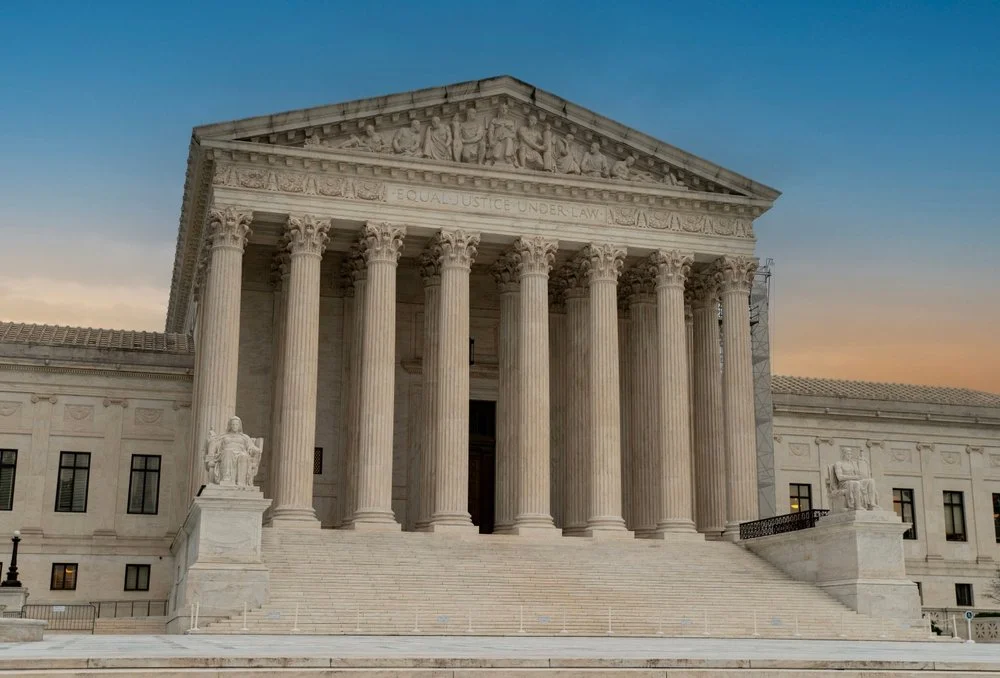
The U.S. Supreme Court allowed a family’s lawsuit over an FBI raid at the wrong house to be revived, in a case that could alter the landscape for law enforcement immunity.
In a unanimous decision, the Supreme Court sent the case back to the 11th U.S. Circuit Court of Appeals in Atlanta for review.
2017 Raid Sparked Case
The 2017 pre-dawn raid, in which an FBI SWAT team went to the wrong house, occurred in an Atlanta suburb, and lasted no more than five minutes. The FBI SWAT team smashed in the front door, set off a flashbang grenade, dragged a man out of the closet, pointed their guns at the man and his girlfriend, and scared the girlfriend’s seven-year-old son.
Shortly after, the FBI team realized the mistake, apologized and left for the correct address, with the FBI team leader saying his GPS device sent him to the wrong location.
The couple impacted, Trina Martin and boyfriend Toi Cliattt, sued the federal government, saying they were left with lasting trauma as well as physical damage to the home. The lawsuit accused the agents of assault and battery, false arrest, and other violations.
Exception to Federal Tort Claims Act in Focus
Lower courts tossed out the suit, saying law enforcement is protected from lawsuits when carrying out official duties.
But the Supreme Court said the appeals court must take another look. At issue, is whether the exception for law enforcement in the Federal Tort Claims Act applies. The act allows individuals to bring claims for damages for certain actions taken by federal employees, but law enforcement is largely exempt as the law gives federal officers discretion to carry out their jobs.
The Institute for Justice, representing Martin and Cliatt, say the statute does not give federal officers discretion to raid the wrong house or act carelessly.
On that point, Justice Neil Gorsuch, writing for the court, noted that the lower courts may be too broadly applying the exception barring the lawsuit. Justice Gorsuch noted that the agent missed the street sign and house number, which was visible on the mailbox at the end of the driveway.
Justices Sonia Sotomayor and Ketanji Brown Jackson agreed with the decision, but would have gone further, suggesting that the lawsuit should be allowed.
The American Civil Liberties Union (ACLU), while hailing the decision, noted that the court’s opinion does not resolve key questions about federal liability.
Still, the plaintiffs are hopeful.
“Between laughing and crying, I can’t stop,” said Martin. “If the Supreme Court can say they’re wrong, it gives me all the hope in the world.”