More Hires, More Scrutiny: Why CBP’s Incentive Surge Raises Potential Training and Oversight Concerns
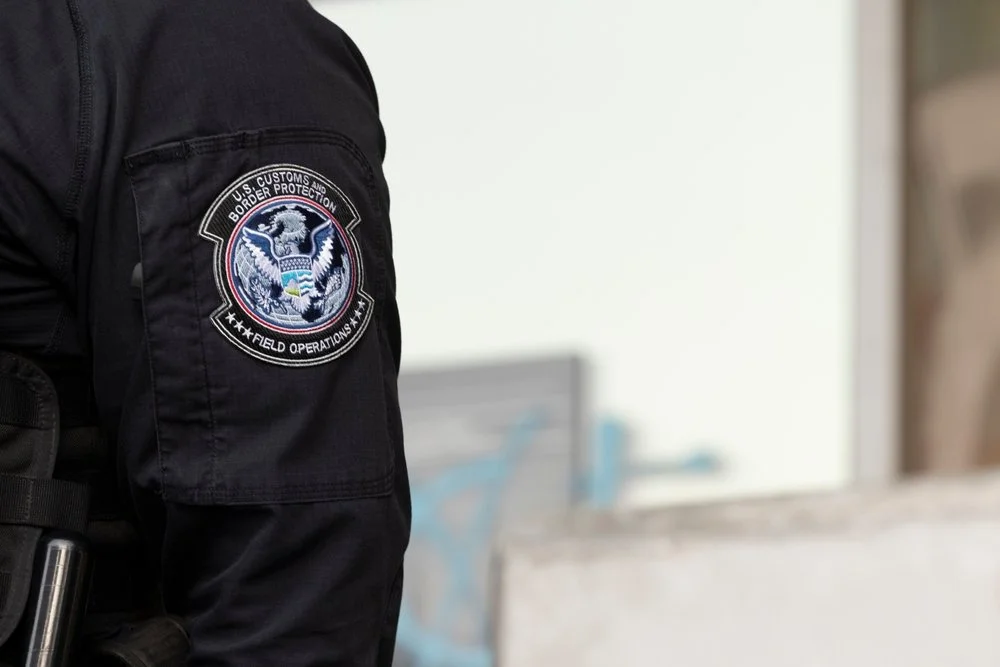
Customs and Border Protection (CBP) is dramatically increasing hiring and retention incentives – with some officers eligible for up to $60,000 in bonuses – as the Department of Homeland Security (DHS) reports a record year for recruiting.
However, as hiring accelerates, so does scrutiny.
Members of Congress and oversight bodies are already questioning whether rapid growth across DHS components could come at the expense of training, vetting, and operational readiness. For frontline officers and agents, that environment can increase professional exposure – even when you’re doing your job correctly.
A professional liability insurance (PLI) policy from FEDS Protection can help mitigate your personal and professional risk.
CBP Raises Incentives as DHS Pushes to Hire Faster
As part of a broader DHS hiring push, CBP has been expanding both recruitment and retention incentives. In total, DHS says it received a record number of applications in 2025, with CBP and ICE accounting for a large share of that growth.
These CBP incentives are being offered to new and current Border Patrol agents. Other incentives include bonuses for Office of Field Operations (OFO) assignments and bonuses for Air and Marine Operations (AMO) staffing.
Congress Already Asking Questions about Rapid Hiring
This hiring push is backed by billions of dollars in new funding, but some lawmakers have signaled concern about how quickly DHS components are expanding.
House Homeland Security Committee Democrats recently asked the Government Accountability Office (GAO) to review ICE’s hiring practices, citing worries about whether fast-paced recruiting could weaken screening, training, and oversight.
While that request focused on ICE, it reflects a broader concern that applies across DHS:
when agencies hire faster, mistakes are more likely to be scrutinized.
That scrutiny doesn’t stop at headquarters – it often lands on frontline personnel.
Why Rapid Hiring Becomes a Risk Even if You Follow Policy
In periods of rapid hiring, agencies face real challenges:
compressing academy schedules,
onboarding large numbers of new officers at once,
relying more heavily on field training officers,
and placing newer personnel into high-pressure operational environments sooner.
Even when you follow training and policy, investigations may later question:
whether guidance was clear,
whether supervision was sufficient,
or whether an officer should have been placed in that role at that time.
When something goes wrong, agencies may defend institutional decisions, but individual officers can still face allegations that lead to administrative action, internal investigation, or civil litigation.
What Increased Scrutiny Can Mean For You
Historically, hiring surges and high-visibility missions tend to coincide with:
more internal affairs reviews,
more administrative and disciplinary proposals,
more use-of-force and civil rights complaints,
and more personal-capacity lawsuits naming individual officers.
Those cases don’t require misconduct to be stressful or expensive – they only require an allegation.
FEDS PLI for Federal Law Enforcement Officers
FEDS Protection offers professional liability insurance (PLI) designed specifically for federal law enforcement and mission-critical employees, including:
$1 million, $2 million, or $3 million per incident in civil liability coverage for attorney’s fees and indemnity costs
$200,000 per incident for legal representation in administrative and disciplinary actions
$100,000 per incident for criminal defense costs
Annual premiums start at $290, and many eligible federal law enforcement officers may receive agency reimbursement of up to 50% of their premium, subject to agency policy.
Learn more at www.fedsprotection.com or call (866) 955-FEDS, Monday–Friday, 8:30 a.m.–6 p.m. ET.
This article is for informational purposes only and does not constitute legal advice. Coverage is subject to policy terms, conditions, limitations, and exclusions.