
Law Enforcement Priorities Included as Senate Passes Annual Defense Policy Bill
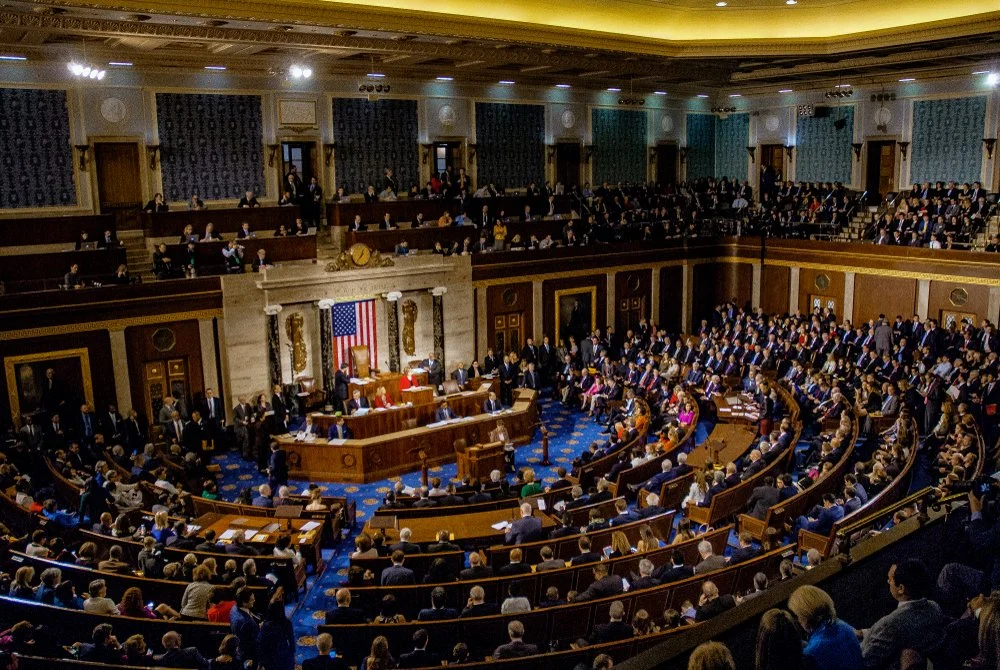
The government shutdown has stalled much of the agenda in Congress, but the Senate was able to pass its version of the annual defense policy bill. The National Defense Authorization Act (NDAA) for fiscal year (FY) 2026 cleared the Senate by a vote of 77-21. The bill calls for spending about $925 billion.
The House passed its version of the legislation in September. This means the House and Senate Armed Services Committees can now start the reconciliation process.
Law Enforcement Bills Included in Senate NDAA
The Senate version of the bill contains eight bipartisan bills to help the law enforcement community:
Protecting First Responders from Secondary Exposure Act (S.180)
Chief Herbert D. Proffitt Act (S.911)
Retired Law Enforcement Officers Continuing Service Act (S.1563)
Reauthorizing Support and Treatment for Officers in Crisis Act (S.419)
Strong Communities Act (S.1316)
Improving Police CARE Act (S.1595)
Honoring Our Fallen Heroes Act (S.237)
PROTECT Our Children Reauthorization Act (S.539)
The Federal Law Enforcement Officers Association (FLEOA) says each of the bills satisfies longstanding needs of FLEOA members, ranging from officer wellness and crisis support to honoring fallen heroes and enhancing community partnerships.
“This outcome is the direct result of unwavering commitment and sustained effort by FLEOA,” said FLEOA National President Mat Silverman. “These measures are not just legislative wins—they are concrete improvements that will impact the day-to-day lives and long-term welfare of our members and all law enforcement professionals.”
FLEOA called on the House to pass the legislation, as did the National Fraternal Order of Police. That organization says it’s particularly worried about the Honoring Our Fallen Heroes Act since it has some costs associated with it. The bill would categorize duty-related cancer fatalities as a line-of-duty death under the Public Safety Officers’ Benefits (PSOB) program.
Cost, AI, Acquisitions Could be Reconciliation Sticking Points
As mentioned, cost will be one major sticking point in the upcoming reconciliation between the House and Senate versions. While the Senate’s bill stands at $925 billion, the House is at $848 billion.
While both houses put cybersecurity and artificial intelligence (AI) policy front and center, they also differ on their approaches. The Senate takes a more structural approach, such as the mandating of AI security frameworks, designating an assistant secretary of defense for cyber policy, and supporting innovation through “sandbox” testing environments.
The House version focuses on better certification processes, more cyber training, and launching up to 12 generative AI projects.
The two pieces of legislation also contain differences in acquisition reforms. The Senate wants legislative overhauls in how the Department of Defense conducts business, while the House calls for more efficiency.