

House, Senate Republicans Face Tough Road in Budget Talks as Shutdown Looms
The budget resolution passed by House Republicans is being met with some skepticism among Senate Republicans who passed their own budget resolution, both vying to enact President Trump’s agenda.
The two competing blueprints will need to be reconciled to move the budget process forward.
House Blueprint Passed by a Whisker
House Speaker Mike Johnson, aided by a White House visit with Republican lawmakers and President Trump before the vote, was able to twist arms to get the budget through the House by a vote of 217-215.
The Speaker lost just one Republican vote, despite concerns from moderates about cuts to Medicaid and concerns from fiscal hawks that $2 trillion in spending cuts did not go deep enough.
But that effort may be vain. While Senate Republicans indicate they’re open to switching to the House’s one bill approach, instead of their two bill approach, they want major changes, including a permanent extension of the 2017 Tax Cuts and Jobs Act, which the House blueprint did not allow for.
“I know my Senate colleagues are committed to, as is the president, permanence in the tax situation. And we don’t have yet in the House bill so we’re going to work together in a cooperative way,” said Senate Majority Whip John Barrasso (R-WY).
Another concern in the House framework is a provision calling for a minimum of $880 billion in cuts from the committee overseeing some health care programs, which would pave the way for significant cuts of Medicaid and other social programs.
Senate Majority Leader John Thune (R-SD) said there will be a closed door meeting next week to try and get the reconciliation process going.
Avoiding a Partial Shutdown
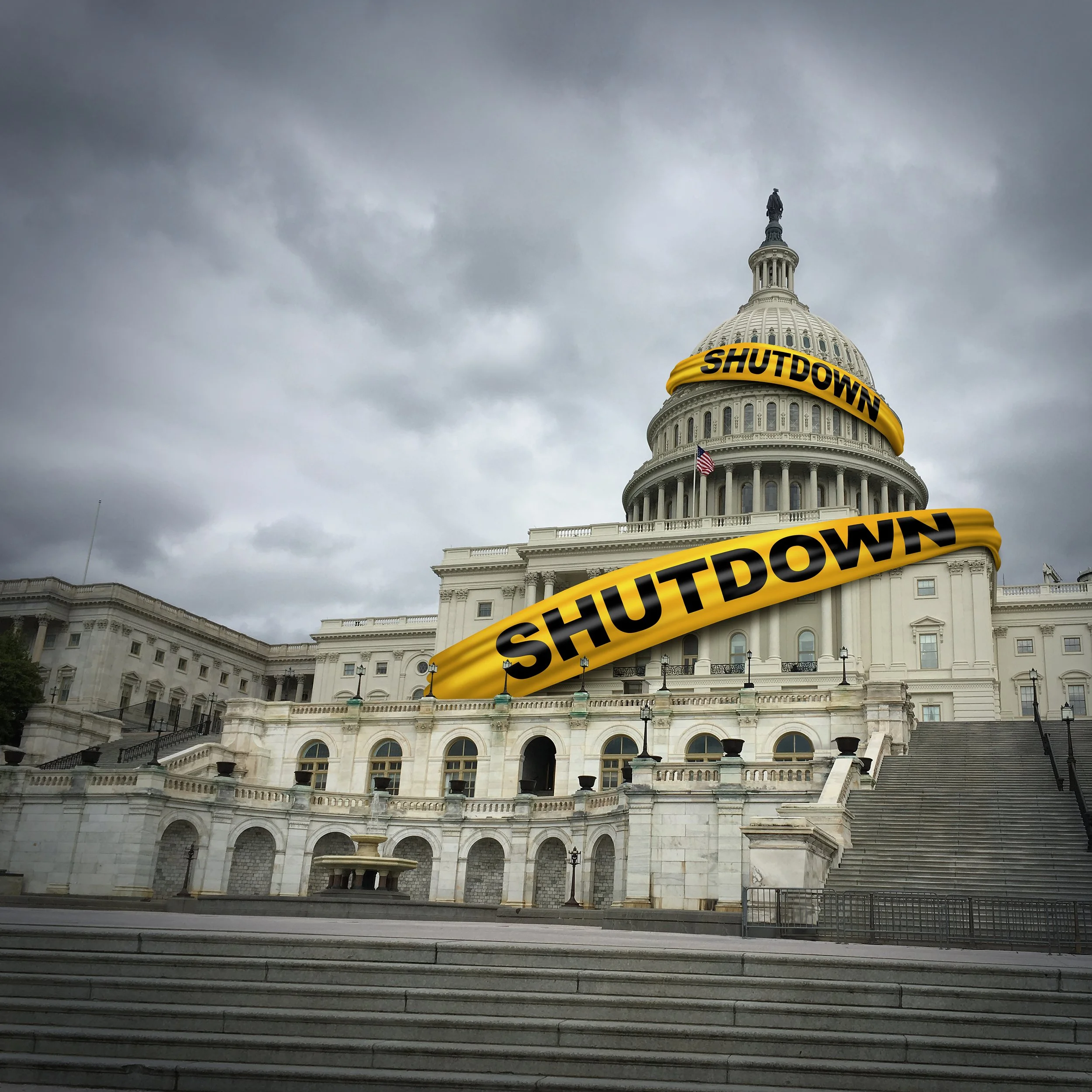
Given the timing and amount of negotiation needed, it’s unlikely that a full budget would be passed before the March 14 deadline to avoid a partial government shutdown, meaning a continuing resolution would be needed again to keep the federal government open.
Axios reports that Speaker Johnson is increasingly confident that he can get a short-term resolution through the House without relying on Democratic votes.
The speaker said on Wednesday that a short-term CR is “becoming inevitable at this point” and that it’s likely to be as “close to clean as possible.”
In the Senate, Republicans will need about eight Democratic votes to break a filibuster and advance a spending bill. Republicans say any Democratic efforts to limit the Department of Government Efficiency (DOGE) are a non-starter.
That's a no-go," said House Appropriations Committee Chairman Tom Cole (R-OK). "We're not moving."