

House Passes $900B NDAA with Law Enforcement Boosts as Back the Blue Act Reintroduced in Senate
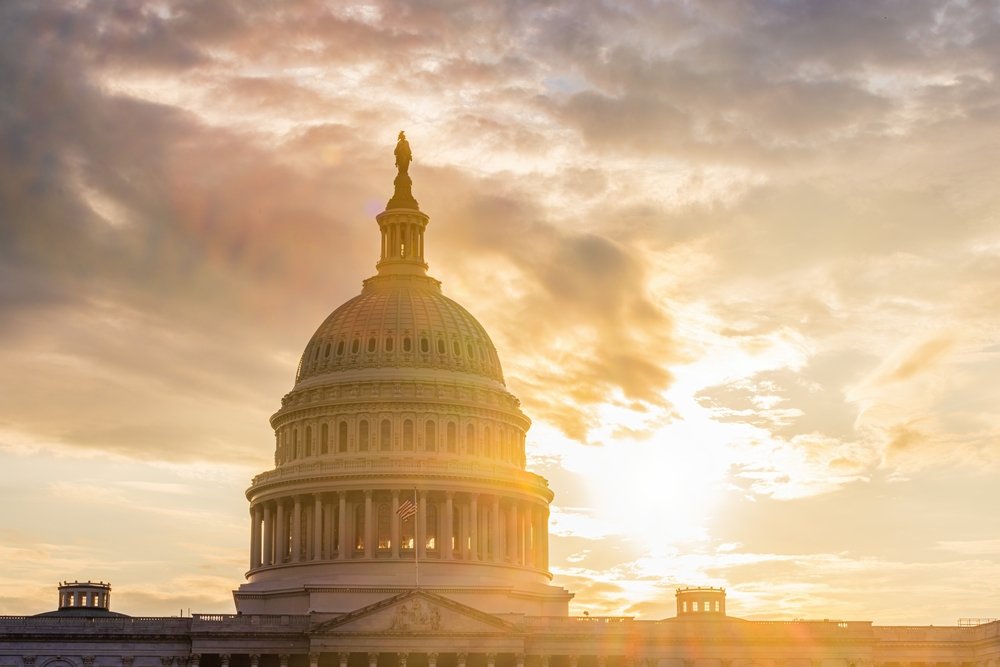
The U.S. House passed the National Defense Authorization Act (NDAA) on a vote of 312-112. The passage of the $900 billion legislation sends the bill to the Senate next.
The bill lays out defense priorities for the next year and includes a 3.8 percent pay raise for members of the military starting January 1, 2026. However, a provision to require the Department of Defense's TRICARE health insurance program to cover fertility treatments for active-duty troops was removed.
It also restricts some U.S. investments in China, fully repeals sanctions on Syria, and provides some military aid to Ukraine.
Also in the NDAA are provisions designed to benefit law enforcement officers.
Among them are the following:
The Directing Resources for Officers Navigating Emergencies (DRONE) Act of 2025, which would allow law enforcement agencies to receive federal grants to purchase and operate drones.
The Honoring Our Fallen Heroes Act which recognizes exposure-related cancers as line of duty injuries and would cover them under the Public Safety Officers’ Benefits (PSOB) Program for death and disability benefits.
The Chief Herbert D. Proffitt Act which covers retired law enforcement officers who are killed or permanently and catastrophically disabled due to their previous work in the line of duty.
The PROTECT Our Children Reauthorization Act which reauthorizes and improves the Internet Crimes Against Children (ICAC) Task Force Program to combat child exploitation and abuse.
Back the Blue Act Reintroduced
Meanwhile the Back the Blue Act was reintroduced in the U.S. Senate.
The legislation would tighten penalties on criminals who attack law enforcement officers.
For example, it creates a new federal crime for those killing, attempting to kill, or conspiring to kill a federal law enforcement officer, federal judge, or federally funded public safety officer.
The offender would be subject to the death penalty and a mandatory minimum sentence of 30 years if a death results.
It also creates a new federal crime for those fleeing across state lines to avoid prosecution for targeting a federal law enforcement official.
In addition, the legislation allows law enforcement officers to carry firearms into federal facilities and other jurisdictions where such possession is otherwise prohibited, subject to limited regulation. And it limits the type of civil damages and attorney’s fees recoverable by a criminal because of purported injuries incurred during the commission of a felony or crime of violence.
The act has been endorsed by several labor organizations including the Fraternal Order of Police (FOP), the Federal Law Enforcement Association (FLEOA), and the Major County Sheriffs of America (MCSA).