
First Responders, Survivors Raise Health Care Concerns on 24th Anniversary of 9/11 Attacks
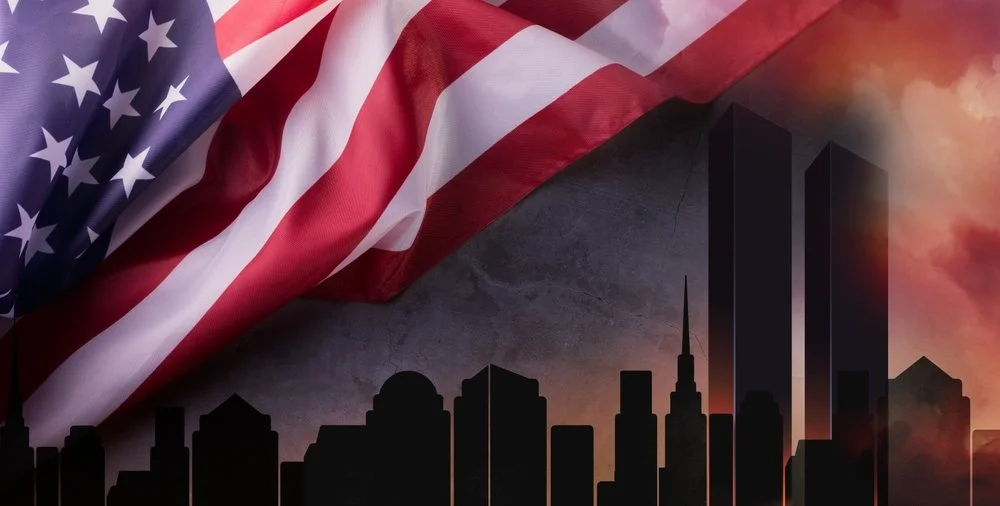
Thursday, September 11, 2025, marks the 24th anniversary of the terrorist attacks on New York City, the Pentagon, and Shanksville, Pennsylvania.
Victims’ families, survivors, law enforcement, political leaders, and others will be taking part in memorial ceremonies throughout the nation, including in Washington DC.
It’s also the National Day of Service and Remembrance. More than 30 million Americans have so far taken part in 9/11 related service activities over the years, dedicating time to help others in need and “rekindling the spirit of unity that brought Americans together in the days following the 9/11 tragedy.”
And as the nation marks the anniversary, survivors and first responders say they’re growing increasingly worried about access to health care coverage.
Senators Chuck Schumer (D-NY) and Kirsten Gillibrand (D-NY) wrote to Health and Human Services (HHS) Secretary Robert F. Kennedy, Jr., warning that staffing cuts and a lack of action through the World Trade Center Health Program (WTCHP) are threatening lives.
“These last few months have clearly demonstrated that adequate staffing levels are critical to preventing significant treatment delays. Individuals with 9/11-related conditions should not have to rely on repeated uproars from the public and the media to obtain the care they are owed under the law and so desperately need,” wrote the senators in their fourth letter to Secretary Kennedy on the issue.
In March, Secretary Kennedy admitted it was a mistake to cut staffing, but dodged questions on whether the WTCHP will be returned to full staff.
In addition to staffing, the senators say travel restrictions have stopped WTCHP research meetings, research grants to identify new conditions tied to exposure at Ground Zero are on hold, and contracts due for renewal are also in limbo.
Among those affected is first responder Allison Beyerlein, a retired police officer in Nassau County, New York, who was routinely on the Ground Zero site.
She was diagnosed with a rare blood disease, acquired amegakaryocytic thrombocytopenia (AAT), but has so far not received coverage as AAT has not been reviewed to determine if it came from Ground Zero exposure.
“This is exactly why we need a functioning review process,” said Ben Chevat, executive director of the nonprofit watchdog organization 9/11 Health Watch to ABC News. “If rare diseases like Allison’s are showing up in responders, they should be evaluated without delay.”
More Enrollees in WTCHP
Meanwhile, the latest data from WTCHP finds that the number of first responders and others diagnosed with 9/11-linked cancers has ballooned to 48,579 — a 143 percent increase in five years.
The New York Post reports that 2024 was also a record year for enrollment into WTCHP with more than ten thousand people registering.
“We will continue to see an increase in cancer and other serious conditions that have longer latency periods,” said a Centers for Disease Control (CDC) spokesperson to the paper.
“The WTCHP isn’t a benefit, it’s a lifeline for those heroes that never stop running towards danger,” said Dr. Jean Kanokogi, Director of Mental Health for the Federal Law Enforcement Officers Association (FLEOA). “The program saved my life. It found the 9/11-related tumor before it was too late. Never forget.”