
FBI Resumes Buying Commercial Data Renewing Debate Over Warrantless Surveillance
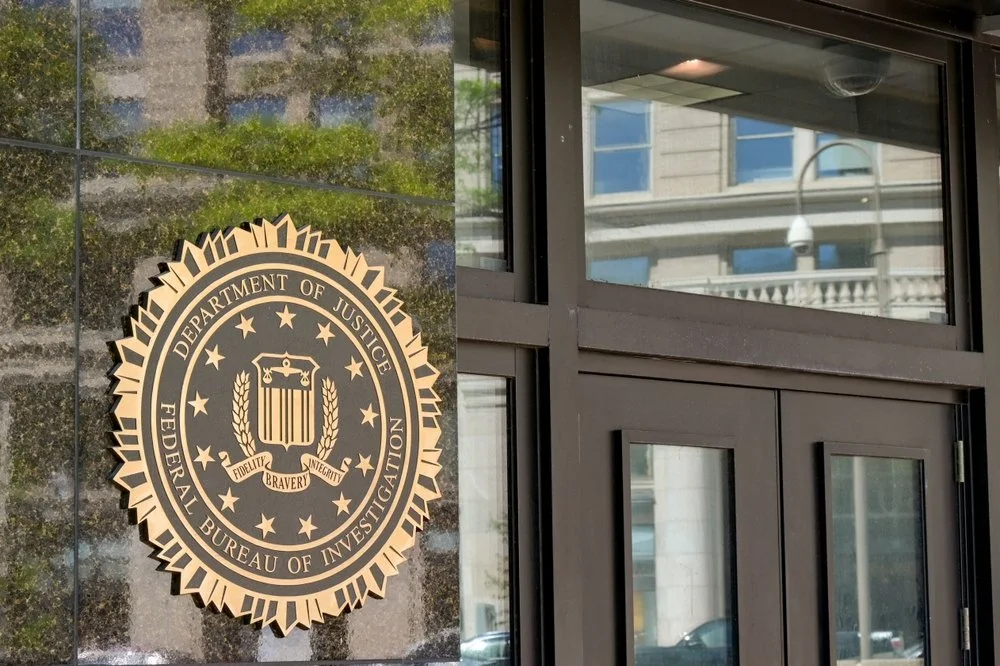
The Federal Bureau of Investigation (FBI) has resumed purchasing commercially available data on American citizens for use in investigations, according to testimony from FBI Director Kash Patel before the Senate Select Committee on Intelligence.
In a response to a question from Senator Ron Wyden (D-OR) on whether the FBI resumed the practice of purchasing data without a warrant, Director Patel stated, “We do purchase commercially available information that is consistent with the Constitution and the laws under the Electronic Communications Privacy Act — and it has led to some valuable intelligence for us.”
However, the FBI noted in a statement that neither Director Patel nor the FBI made any reference to location data in the answer.
Nevertheless, it marks a shift from 2023 when then-FBI Director Christopher Wray told Senator Wyden that the FBI wasn't buying location data any longer, but that it had previously.
Senator Wyden criticized the practice saying, “Doing that without a warrant is an outrageous end run around the Fourth Amendment, it’s particularly dangerous given the use of artificial intelligence to comb through massive amounts of private information.”
However, Committee Chairman Tom Cotton (R-AR) defended buying the data.
“I would observe about commercially available data that the key words are commercially available,” said Senator Cotton. “If any other person can buy it and the FBI can buy it and it helps them locate a depraved child molester or savage cartel leader, I certainly hope the FBI is doing anything they can to keep Americans safe.”
Government Surveillance Reform Act
This comes as Senator Wyden and other lawmakers introduced an updated version of the Government Surveillance Reform Act in both houses of Congress.
The bipartisan legislation would close the data broker loophole by banning the federal government from buying Americans’ data without a warrant.
It would also require the federal government to get a warrant to access Americans’ private communications gathered under Section 702 of the Foreign Intelligence Surveillance Act (FISA), with some emergency exceptions.
President Trump meanwhile called for an 18-month extension of Section 702, currently set to sunset on April 20, 2026.
“With the ongoing successful Military activities against the Terrorist Iranian Regime, it is more important than ever that we remain vigilant, PROTECT our Homeland, Troops, and Diplomats stationed abroad, and maintain our ability to quickly stop bad actors seeking to cause harm to our People and our Country,” the president wrote on Truth Social.