
FBI Co-Deputy Director Andrew Bailey Resigning After Just Over a Year
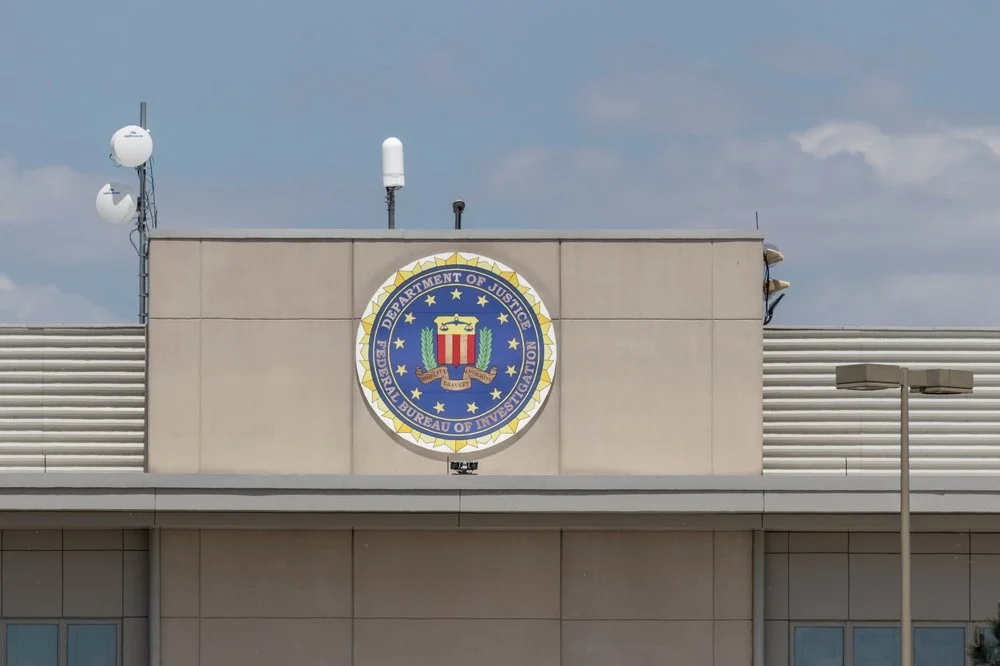
Federal Bureau of Investigation (FBI) Co-Deputy Director Andrew Bailey announced his resignation effective Friday, October 2, after a little more than one year on the job, stating that he was returning to his family in Missouri.
Bailey was brought into the FBI from his prior position as Missouri Attorney General to serve as co-deputy director with Dan Bongino, who left in January. After Bongino's departure, another co-deputy director, Chris Raia, a career FBI special agent and veteran bureau official, was added.
At the time of their appointments, neither Bailey nor Bongino had FBI experience, making them highly unusual picks for the FBI’s No. 2 position, which has traditionally been held by a career FBI official. The position does not require Senate confirmation.
CBS News reported that Bailey's relationship with FBI Director Kash Patel had been strained. According to two sources familiar with their dynamic cited by CBS, Director Patel initially excluded Bailey from some meetings, with one source saying Bailey had repeatedly flagged actions he believed were unconstitutional.
In a post on X, Director Patel thanked Bailey “for his dedicated service to return the FBI to its core mission” and noted “his fantastic contribution instituting critical reforms which resulted in our historic success will live on.”
And Bailey pushed back on reports that his resignation was due to anything but family reasons.
"My decision to go home is based solely upon my need to be a parent to my four children," he told Fox News.
As for his accomplishments at the bureau, Bailey cited efforts to increase child protection, efforts to make it easier for state, local, and tribal agencies to join task forces, and pushing resources from headquarters to field offices.
As for what happens next, ABC News says it’s unclear if Raia will become the bureau’s sole deputy director, with sources telling ABC that the multiple deputy director arrangement was “ill-defined” at times.