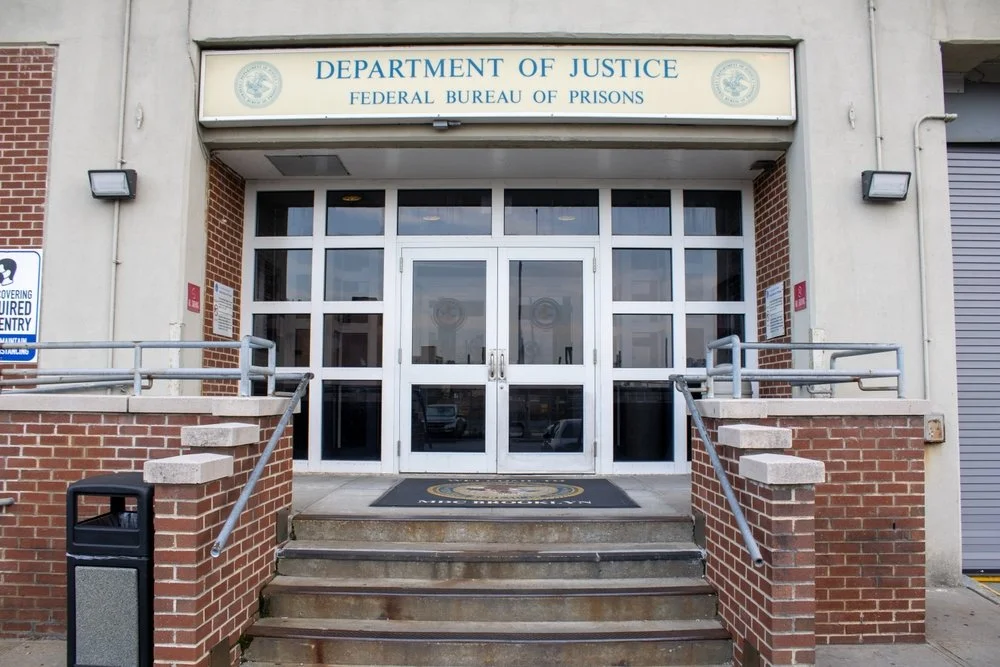
In November 2025, the Council of Prison Locals (AFGE Council 33) filed a federal lawsuit challenging the decision by the Bureau of Prisons (BOP) to cancel its collective-bargaining agreement. The union alleges the agency violated the Administrative Procedure Act and the First Amendment when it abruptly ended the contract governing workplace procedures and employee protections.
For the more than 30,000 correctional staff represented by the Council, the lawsuit underscores a period of significant uncertainty inside one of the federal government’s most demanding work environments.
What Changed at BOP?
BOP’s September announcement terminated long-standing negotiated rules governing overtime, schedules, leave, investigations, representation rights, and dispute resolution. Agency leadership described the move as an efficiency measure, asserting that “the law” and internal policy would continue to provide employees with necessary protections.
Union leaders strongly disagreed. In the lawsuit, they argued that BOP offered no reasoned explanation for ending the collective bargaining agreement (as required by the APA), as well as a violation of the First Amendment.
The lawsuit seeks restoration of the union contract while litigation proceeds.
Why This Matters for Federal Correctional Employees
Federal correctional facilities are uniquely high-risk workplaces. Staffing shortages, mandatory overtime, and increasing inmate populations have already placed employees under heightened operational strain.
The loss of a collective-bargaining agreement—even temporarily—can create uncertainty around:
Representation during investigations
Grievance and arbitration procedures
Scheduling and overtime rules
Safety-related negotiations
Processes for discipline or adverse actions
Those uncertainties are amplified when external scrutiny is intense and when employees must make split-second decisions that carry legal or administrative consequences.
Individual Protection That Does Not Shift With Agency Policy
While collective-bargaining rights can expand or be reduced with changes in leadership or litigation outcomes, some protections belong solely to the employee. A FEDS Protection professional liability insurance (PLI) policy is one of them.
A PLI policy does not replace collective bargaining rights, but it does provide an independent, stable safeguard during times of organizational transition. PLI is available to all federal employees—not just managers or supervisors.
That stability matters if you face:
An administrative investigation
Allegations of misconduct
A personal-capacity civil lawsuit
Claims arising from use-of-force incidents
Scrutiny tied to policy or procedural changes
In these situations, representation is crucial—and delays or confusion around workplace rules can add to employee vulnerability.
FEDS PLI for Federal Law Enforcement and Correctional Personnel
FEDS Protection is the PLI provider endorsed by leading federal law enforcement associations. Policies include:
$1 million, $2 million, or $3 million in civil liability protection for attorney fees and indemnity costs
$200,000 in legal representation coverage per administrative matter
$100,000 in criminal defense coverage
Annual premiums start at $290, and most federal law enforcement officers, supervisors, and managers are eligible for up to 50% agency reimbursement of their PLI premium.
To learn more or speak directly with a representative, visit www.fedsprotection.com or call (866) 955-FEDS, Monday–Friday, 8:30 a.m.–6 p.m. ET.
Final Thought
As the BOP lawsuit moves forward, BOP employees may continue to see shifts in workplace rules, rights, and expectations. During these transitions, it is important for correctional personnel to understand not only the protections provided through agency policy or collective bargaining, but also the protections they can secure individually.
A FEDS PLI policy offers peace of mind that—regardless of policy changes—you have access to experienced legal counsel if allegations arise.