ATF Leadership Changes and Regulatory Shifts Highlight Increased Exposure for Federal Agents
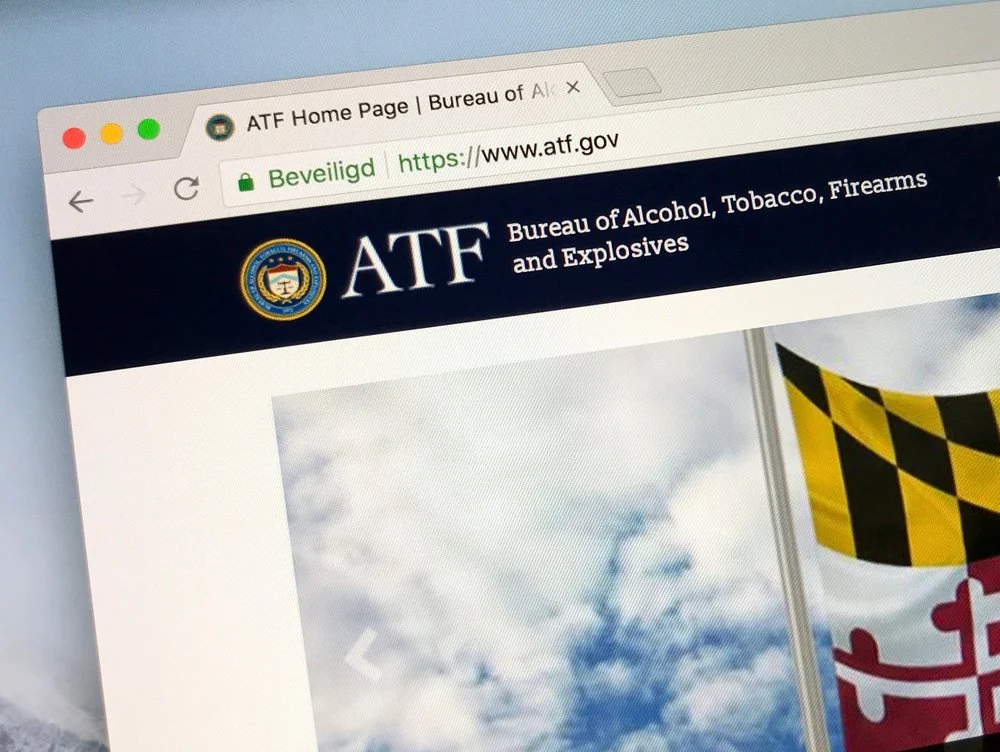
New Leadership, New Priorities at ATF
The Bureau of Alcohol, Tobacco, Firearms and Explosives (ATF) is entering another period of significant transition following the Senate confirmation of longtime ATF official Robert Cekada as the agency’s new director. Shortly after the confirmation, the Department of Justice and ATF announced a sweeping package of proposed and final rule changes affecting more than 30 firearms regulations and procedures.
According to reporting, the regulatory package includes efforts to repeal or revise several Biden-era firearms rules as part of what DOJ leadership described as a broader modernization and deregulatory initiative.
Leadership transitions of this scale often signal more than policy adjustments. For federal agents and frontline personnel, changes in agency direction can create uncertainty around enforcement priorities, operational expectations, and supervisory review standards.
A professional liability insurance (PLI) policy from FEDS Protection can help mitigate personal and professional risk during periods of organizational and policy transition.
Policy Shifts Can Create Operational Uncertainty
ATF personnel operate in one of the federal government’s most heavily scrutinized enforcement environments. When agency leadership changes, priorities and interpretations can evolve quickly, particularly when accompanied by broad regulatory revisions.
Recent reporting notes that the new ATF leadership announced dozens of proposed reforms intended to reduce regulatory burdens and align enforcement practices with current DOJ priorities and court precedent.
Periods of rapid policy change can create challenges for frontline personnel tasked with implementing evolving guidance in real time. Agents may face uncertainty involving enforcement priorities, regulatory interpretation, documentation expectations, supervisory review standards, training and implementation timelines.
Even when agents act in good faith and follow available guidance, changes in leadership and policy direction can lead to increased second-guessing of operational decisions.
Increased Scrutiny Often Follows Leadership Transitions
Historically, major leadership changes inside federal law enforcement agencies tend to coincide with heightened oversight and increased external attention.
That scrutiny may come from:
Congress
Inspectors General
Advocacy organizations
Civil litigants
Media organizations
Internal review processes
In highly visible enforcement areas such as firearms regulation, operational decisions may later be examined through the lens of changing policy priorities or revised enforcement standards.
For frontline agents, that can increase exposure to:
Administrative investigations
Internal affairs reviews
Allegations tied to enforcement discretion
Civil litigation naming employees individually
Claims involving alleged constitutional or procedural violations
Changing Priorities Can Affect Individual Exposure
One challenge during periods of transition is that operational expectations may evolve faster than procedures, training, or institutional clarity.
Agents may be expected to apply updated procedures quickly with little guidance, adapt to revised enforcement frameworks with no errors, navigate shifting supervisory expectations, and operate under increased public and political scrutiny.
At the same time, decisions made under prior interpretations may later be reviewed under new leadership standards, or vice versa.
When agencies experience policy realignment, the institution may focus on demonstrating accountability and consistency. In some situations, that can leave individual personnel vulnerable to administrative review arising from operational decisions made during transitional periods.
Individual Protection That Does Not Shift With Agency Leadership
Agency priorities can change. Enforcement philosophies can evolve. Leadership transitions can alter operational expectations and oversight intensity.
Individual protection, however, should remain constant.
A FEDS Protection professional liability insurance (PLI) policy provides federal agents with access to experienced legal counsel if allegations arise from administrative actions, civil litigation, or other proceedings connected to rendering their professional service.
That protection can be especially important during periods of organizational transition and heightened scrutiny, when enforcement actions and operational decisions may receive increased review.
FEDS PLI for Federal Law Enforcement Officers
FEDS Protection offers professional liability insurance (PLI) designed specifically for federal law enforcement personnel, including:
$1 million, $2 million, or $3 million per incident in civil liability coverage for attorney’s fees and indemnity costs
$200,000 per incident for legal representation in administrative and disciplinary matters
$100,000 per incident for criminal defense costs
Annual premiums start at $290, and many eligible federal law enforcement officers may receive agency reimbursement of up to 50% of their premium, subject to agency policy.
To learn more, visit www.fedsprotection.com or call (866) 955-FEDS, Monday–Friday, 8:30 a.m.–6 p.m. ET.
Leadership Changes Bring Operational Challenges
Federal law enforcement agencies routinely operate through changes in leadership, policy direction, and enforcement priorities. During these periods, frontline personnel are often expected to adapt quickly while continuing to perform under intense scrutiny.
A FEDS Protection PLI policy helps ensure that if allegations arise during those transitions, you are not left to navigate the process alone.
This article is provided for informational purposes only and does not constitute legal advice. Coverage is subject to policy terms, conditions, limitations, and exclusions.